Patrick Oancia [00:00:00]:
Hey it’s Pat Oancia. And I’m the founder and co developer of the Baseworks Method. So the Baseworks Method is an approach that focuses on the cognitive and perceptual aspects of physical movement. The Baseworks Transmission Conversations explore both concrete and abstract realizations that emerge out of the commitment to any kind of practice or pursuit to achieve life goals, and our aim with these productions is to find a common vocabulary to help better describe these experiences. In this episode I sat down with Edward Clark, a writer, teacher and director of Tripsichore Yoga Theater. Our connection goes back to 2007, when we met in Indonesia, and what struck me then, and still does, was his teaching style. His approach was uncompromising and put yoga under a critical lens in ways which I felt very important for people to experience. That connection brought him to collaborate with us in Tokyo multiple times over the years, where he teach, perform and sit down with groups to explicitly unpack philosophy and practice in ways that challenge people’s beliefs.
Patrick Oancia [00:01:08]:
We trace his path from Canada to the UK in the late 70s through physical theater and dance to his personal discovery of yoga’s untapped choreographic potential. That realization gave birth to Tripsichore that’s been creating yoga theater since the early 90s, which you could say is a creative body of work that physicalizes phenomenological landscapes. And what’s important here is that this work stands apart from how yoga is typically framed within health and wellness. We get into the reality of funding creative work through teaching the difference between between yoga, asana and vinyasa from the practical and philosophical standpoints and why the focus on intensity matters, whether that’s in a discipline practice, punk rock or athletic training. We also talk about Edward’s two books co authored by Laurie Greene, which bring an academic anthropological lens to how one would teach and practice transnational yoga in contemporary contexts. We chat about performance, ritual, critical thinking, navigating injuries, and questioning what we inherit versus what we create. This gets at what’s happening when you refuse to separate art from practice and what it takes to keep doing that that. Links and references, as usual, can always be found in the show notes. And if you want to go deeper into any of these podcasts, check out the companion Reflections episodes.
Patrick Oancia [00:02:20]:
Before we get into this episode. Our Montreal Study group cohort starts January 24, 2026 at Circuit Est, where this podcast was actually recorded. The study group combines online coursework and studio sessions that work in synergy, so you study the concepts and then we apply them together in person. For more details and to register, visit Baseworks.com/events.
Patrick Oancia [00:02:47]:
So Edward, thank you very much for making the time on your brief trip to Montreal to be on the transmission conversations.
Edward Clark [00:02:55]:
I’m honored and privileged to be here transmitting. It’s something a lot of celebrity yogis look forward to.
Patrick Oancia [00:03:06]:
And that’s right.
Edward Clark [00:03:07]:
I’m often questioned why I haven’t been on it earlier.
Patrick Oancia [00:03:10]:
Well, I mean, there’s always a first time for everything. And we’ve had many conversations in the past which I’d like to sort of rehash a little bit on for the time being. We met, I believe it was in Indonesia in 2007, and we were both at that point teaching yoga on a teacher training program in Bali.
Edward Clark [00:03:29]:
You had the reputation as being rather severe.
Patrick Oancia [00:03:34]:
I have to say the same thing about you, actually. And not only was the reputation there, but my observations of the way you taught was actually very, very mind blowing. And that’s actually what really got me excited to invite you to come to Tokyo and teach, which you did subsequently many times. And as a result of this connection, I really wanted to talk to you not only about yoga, because the Transmission podcast is not specifically about yoga. These transmission episodes are all about unpacking the different experiences that one would go through in their life. And one of the reasons I really wanted to have you on was of course, your experience with yoga is a big factor in that too. But we’ve had many conversations over the years and I’ve observed the things that you’ve been doing, and where you came into the… how you came into, for example, practicing and teaching yoga and how alongside of your experience with yoga as both a teacher and a practitioner, developed some interesting creative projects out of that. And I’m anticipating that has been part of the expression.
Patrick Oancia [00:04:45]:
So I, I kind of like to just before we get really into that, because that’s a very interesting part of your history. When… Look, you’re Canadian originally, but you’ve been in the UK for, you know, over 40 years, I believe. Right. So it’s, you’ve been in London specifically over 40 years. So where are you from in Canada originally?
Edward Clark [00:05:09]:
Well, you know, I’m from Calgary.
Patrick Oancia [00:05:13]:
Calgary?
Edward Clark [00:05:13]:
Yeah, Calgary. There is a Calgary in the UK too, which is, gee, I’ve been there as well. Yes, I’m from Cowtown.
Patrick Oancia [00:05:22]:
And what, until when were you in Calgary?
Edward Clark [00:05:29]:
I guess I left, really left in 1977. So up to then, I mean, we lived in other places, but mainly in Calgary.
Patrick Oancia [00:05:41]:
Then, so you say you lived in other places. Was that leaving in 1977? Was that leaving Calgary specifically or leaving Canada altogether?
Edward Clark [00:05:48]:
Altogether.
Patrick Oancia [00:05:50]:
So was it pretty much a straight transition to the UK from Calgary? Or did you live in other big cities in Canada for a while?
Edward Clark [00:05:57]:
When we were very small, we lived in Toronto for a year.
Patrick Oancia [00:06:02]:
With your family?
Edward Clark [00:06:03]:
Yes.
Patrick Oancia [00:06:03]:
Okay.
Edward Clark [00:06:04]:
So. But yeah, I went to, I had done a degree at the University of Calgary, my alma mater. I did a degree there, a Bachelor of Fine Arts, and found the… It was theater and choreography dancy stuff, but it was drama, a drama degree. And we found this scene wanted to be somewhere that was. I saw as – being naively as I was –
Edward Clark [00:06:43]:
That I saw as being the place where western culture sort of disseminates from. So you have this choice really between London or New York as It stood in 77.
Edward Clark [00:06:58]:
And…
Patrick Oancia [00:06:58]:
New York would have been a good choice too, I would imagine.
Edward Clark [00:06:59]:
It was just harder to get. Do the green card sorts of things. And whereas it was much easier to do that in the UK so I went. In 77, I went to a drama school in UK.
Patrick Oancia [00:07:11]:
So drama school. So the degree in fine arts inspired you to continue with fine arts in the realm of drama?
Edward Clark [00:07:20]:
Absolutely, yeah. I don’t think it inspired me. I was absolutely set on it.
Patrick Oancia [00:07:24]:
Okay.
Edward Clark [00:07:25]:
Prior to. To. I mean it, it feels. It sounds. This sounds really good. I think on a transmission. Transmission. I remember thinking when I was five years old, this is what I’m doing.
Edward Clark [00:07:39]:
And it’s one of those things.
Edward Clark [00:07:42]:
Yeah, that’s just always felt very clear to me. This is what I’m doing now seemed very much. This is what I’m doing. And was putting on performances. Doing not just any performance, like an artistic kind of thing. So in, in way back in those Calgary days, I mean, and I’m sure many children do this, but we used to put on shows and this was like a family thing.
Edward Clark [00:08:14]:
At any family gathering, we were putting together performance material and that just. It was sort of naive, but I. It was definitely. I was absolutely clear this is what I was doing. And going to university and doing a degree was, you know, just one way to sort of facilitate that.
Patrick Oancia [00:08:35]:
The fine arts degree was in Calgary.
Edward Clark [00:08:38]:
Yeah.
Patrick Oancia [00:08:38]:
And was that specifically in drama and theater?
Edward Clark [00:08:40]:
Yeah.
Patrick Oancia [00:08:41]:
Okay. And then your decision to go on to. Where did you study in the uk?
Edward Clark [00:08:45]:
A place called the Drama Studio, which was a postgraduate program.
Patrick Oancia [00:08:51]:
And did you immediately dive into sort of production based, you know, stuff or were you studying first and Then enrolled it out or did both things happen at the same time?
Edward Clark [00:09:02]:
Well, Well, there, whilst there, as we’d say in London, whilst there I went to… I found the experience of theater at that time to be sort of rather disappointing that the, the, the idea in theater that was prevalent certainly in what we were learning was very kitchen sink oriented. And I found the, this attempt at sort of faux realism to not be very appealing. And I, I couldn’t see things in the UK or anywhere actually being different than that. And I went to it, saw a couple of things. I saw Stephen Berkoff in a production that he had devised around the Metamorphosis, the Kafka story. And it was incredibly physical. And I mean one of the things that I had done in the degree was like sort of a choreography sort of line specialty through it.
Edward Clark [00:10:15]:
So I was interested in how physical things could be and, and so saw a very physical show that, that Berkhoff had done and I went, yeah, I need to, I need to up my physical skills. This is to make the kind of things I would be liking to make. And it, it’s, I think what I felt at that time, or maybe have concluded since is that theater is not nearly as good as film or television at conveying faux realism in an utterly believable way. Because there is a great deal of stylization in theater and that playing to its strengths, a very physical kind of theater allows it to be far more, I will say poetic, but it becomes image based and demands more of its audience that they, they have to deal with the ambiguity of what they’re seeing and come up with interpretive stances so that the audience in a good physical theater piece has demands made of it that are far more interesting and requires more thinking. So I was, I liked the idea of then upping my skills.
Patrick Oancia [00:11:47]:
Your physical skills?
Edward Clark [00:11:47]:
Physical skills. So I, I moved back to Toronto and went to a, a dance theater school there and was learning Graham technique and bless Martha.
Edward Clark [00:12:03]:
But again, you know, I mean she dealt with highly narrative pieces but which were emotionally based. And you know, one of the things that she remarked upon was that her pieces were like emotional landscapes.
Patrick Oancia [00:12:19]:
And a lot of the movements associated with the training in Martha Graham is very visceral.
Edward Clark [00:12:25]:
Well, not only that, but also quite yogic in that her, her teacher had done some yoga somewhere along the way. So find in her basic technique there are a number sort of correspondences. There’s a little overlap in the Venn diagram of Graham technique and, and yoga so anyway, so yeah, so I went back to Toronto and studied some got good there. And one of the things too that I, I saw Lindsay Kemp’s company was the mime company, but very, very extravagant, kind of crazy stuff. And there was, I saw some of the work that they were doing and then Lindsay Kemp,
Patrick Oancia [00:13:10]:
Who’s that?
Edward Clark [00:13:10]:
Lindsay Kemp, he’s a mime artist but. But he. Not sort of in the “I’m making a wall” kind of mime.
Edward Clark [00:13:21]:
Not, not so much the Marcel Marceau kind of thing. Hussain Baptiste is a yoga teacher. So yeah. And then Lindsay Kemp came to Toronto and again the. The material they were doing was just so wildly stimulating and, and crazy. They had.
Patrick Oancia [00:13:43]:
That must have been an interesting time.
Edward Clark [00:13:46]:
Well, I. Yeah, they all are though.
Patrick Oancia [00:13:49]:
They all are, yeah. But I mean. Oh God, what a dull time about Toronto that way. I mean like I.
Edward Clark [00:13:54]:
Well, it was the 1977. Punk has just hit. I mean I’d come from. Again, this was another thing in the, in the uk. Like you had this whole punk scene that was really happening and comparing that to like where theater was at and it was just like, oh my God, you know, like.
Patrick Oancia [00:14:12]:
I mean, but there was a lot of crossover there, wasn’t it? But Malcolm McLaren and all these people were like. There was a big sort of like fusion of stuff going on between the punk rock scene, theater experience.
Edward Clark [00:14:21]:
If only theater had been more into what the punk rock was doing, I think. And it still is desperately trying to catch up. Same for the dance scene. It’s, you know, they haven’t really caught up with, I would say the music scene.
Edward Clark [00:14:42]:
I mean, these things go very quickly. The sort of quantum leaps seem to happen in terms of what is uber cool at the moment. But theaters had a hard time of it. But largely of their own devising.
Patrick Oancia [00:14:58]:
What do you mean hard time?
Edward Clark [00:14:59]:
They haven’t kept up terribly well. They haven’t been cutting edge. They haven’t been this thing of. The thing that is this dissemination of western culture, I guess is what I was trying to say that they. It’s not been part of…
Patrick Oancia [00:15:16]:
The narrative
Edward Clark [00:15:17]:
Yes, the. That the things that are pushing paradigm shifting kinds of culture.
Patrick Oancia [00:15:23]:
Is that because of film or. I mean, as a. In part. I mean.
Edward Clark [00:15:29]:
Laziness.
Patrick Oancia [00:15:30]:
Laziness, yeah. Just production. You mean what goes into a production? The amount of resources. What do you mean by….
Edward Clark [00:15:37]:
They’re difficult. The actual industry has a. A difficult time doing what it does well, which is, as I, I say, creating a very poetic and ambiguous sort of thing. They’ve gone down. Yeah. A path of I don’t know that that makes it look like film or like tv. And it, it’s. When it’s more extreme, it’s far more exciting.
Edward Clark [00:16:05]:
This was the thing that was great about Lindsay Kemp’s company. They were doing very extreme work. One piece was called Flowers and it was based on Jean Genet’s sort of stuff. So it was, you know, gender breaking and weird. And then another was 70s or 80s.
Patrick Oancia [00:16:22]:
It was 70s or 80s?
Edward Clark [00:16:22]:
70s. This would be 78, 79, maybe 78. And they, you know, they had just eccentric casts.
Edward Clark [00:16:31]:
The incredible Orlando, who was blind and he was doing, you know, this hugely physical thing in the Salome. Anton. Yeah, Anton Dolan was part of the cast and he was like in his 80s and he was playing Herod. It was. And it was just, it was so physical and, you know, it’s just stunning to, to watch. And it was this deep, very. Something that was fun to experience in the same way that being in a marsh pit maybe was fun to experience, you actually had a more visceral experience. And so this accorded well with what I saw as being, you know, what I was wanting to do with theater and, you know.
Edward Clark [00:17:17]:
Yeah.
Patrick Oancia [00:17:18]:
So, I mean, let’s, let’s, let’s go. So you’re, you’re in Toronto. You’ve come back. How so how long did you spend back in Canada? I was like, timeline.
Edward Clark [00:17:26]:
Moved, moved back. So that was 79. Moved back permanently to London in 1984.
Patrick Oancia [00:17:34]:
Okay. So back for a few years. And that. That time was spent, you say, in dance. But then I’m anticipating it was around that, that time too, that you were in Toronto, that you, you were introduced to yoga.
Edward Clark [00:17:46]:
That’s okay. That’s absolutely correct.
Patrick Oancia [00:17:48]:
Okay, so that the introduction to yoga was through somehow a backdoor, through the Martha Graham stuff, or was it independent of that?
Edward Clark [00:17:57]:
It was backdoor.
Patrick Oancia [00:18:00]:
Who was the teacher and what, you know, at that time?
Edward Clark [00:18:03]:
Well, (your first teacher), the woman who I was studying with, I think she sort of fancied, not in an overt way, but fancied this boy who was part of the Canadian. Well, I, I mean, one speculates Tommy Sexton was his name. His brothers, I think, or he was a part of a Newfoundland group called Codco.
Patrick Oancia [00:18:28]:
Interesting.
Edward Clark [00:18:30]:
But he was mates with them and I don’t know, he’d been doing yoga, apparently. And I, I, for whatever reason, wasn’t entirely clear. The woman I was studying with decided, now we are going to be studying yoga and Tommy will be teaching us and. God, Tommy. Yeah, it’s like yoga for hippies and you know, what is this.
Edward Clark [00:19:02]:
You know, it’s just like. But he was a decent chap and the, the stuff that we picked up could see that it had, it had a real value and it was some style called “ayanga” or something like that. I don’t, I don’t know.
Patrick Oancia [00:19:24]:
I see the cynical tone.
Edward Clark [00:19:29]:
But really I took things away from it that, that were. Yeah, no, this is interesting. And, and just went, okay, I can do this on my own. You don’t need. You don’t need somebody to teach you this stuff. And I think, you know, that very much has been the way through it all is sort of this autodidact approach that you can get very good information from a teacher. You can, you know, find some stuff that’s worth stealing and go and work on it and make it your own.
Patrick Oancia [00:19:59]:
Yeah. Which, I mean, I think is the, you know, I think is also cross creativity. It’s just, it’s not, it’s not so much about originality. It’s just more about the, the interpretation of, you know, what we experience, you know, filters through and inspires us and how that gets reinterpreted into something either creative or, you know, practical in, in life. And, and yeah, I think there’s, There can be, there can be a lot of emphasis on. In the yoga scenes because we’ll talk about that. And that’s a part of the theme in, in your books as well, too. We talk about sort of a.
Patrick Oancia [00:20:32]:
You, I think you referred to it as. I was trying to remember certain references to what was the word….
Edward Clark [00:20:42]:
Yeah, it was probably something Laurie wrote possibly.
Patrick Oancia [00:20:48]:
I’m sorry, I can’t find it right now, but the industry specifically and how, how the industry is. Is. Is mirroring the industry. I think it was the, the term as a yoga practitioner and seeing like what. Exactly what information that brings back to you and your motivations to practice and to. And to teach, if that, you know.
Edward Clark [00:21:10]:
Well, I, I mean, the crazy thing was. I mean, the motivation was money. It was. We were, you know, once. We made in, in, in the early 90s, we made this shift to Tripsichore, my performing group. We made this shift into yoga theater. And, and so…
Patrick Oancia [00:21:32]:
when was that shift, by the way?
Edward Clark [00:21:33]:
I think it’d be 90, 92. There’s a day in September I’ll never forget.
Edward Clark [00:21:40]:
Except was it 92 or 90?
Patrick Oancia [00:21:42]:
Yes.
Edward Clark [00:21:43]:
So if.
Patrick Oancia [00:21:46]:
I mean, what would. What would have Tripsichore been categorized as?
Edward Clark [00:21:50]:
Well, we called it a performing company. We didn’t want to call it dance and we didn’t want to call it Theater. Because we thought, no, no, no, we do performance and. And we’re more stylized than what.
Patrick Oancia [00:22:06]:
But now Tripsichore has become theater.
Edward Clark [00:22:09]:
It’s always been theater.
Patrick Oancia [00:22:10]:
It’s always. Okay, so. Okay, so the. It transformed from that early, early 90s performance to performance theater. Or was it always considered?
Edward Clark [00:22:21]:
Well, I mean, Tripsichore as an entity sort of started. I mean, our first show would have been I guess, 1977 or 78. I mean it was something we had discussed at university and we, you know, we started calling ourselves that way back when and yeah, because we were trippy and Terpsichore. Everybody asks, yes, yeah, yeah, Terpsichore, one of the nine muses in Greek mythology. Of course, the muse of dance. But anyway, we thought we were trippier than terpier, so there. Got the Tripsichore thing out of the way.
Edward Clark [00:23:01]:
Yeah.
Edward Clark [00:23:04]:
We had a sort of joke. For ages we’d had this joke because once we started in our post Tommy Sexton days, we kept this yoga thing going as part of the way we worked. And we’d had this joke for a long time because we weren’t getting any funding from the arts boards and just couldn’t understand the groups that were actually getting funding. I mean, it made perfect sense in a way. But we had this joke, ha ha, that we would do something called yoga theater that would be so dull that it would be bound to be a big hit with the arts councils. And So I think 90 it may have been in the fall of 92, we had just finished a project and we were sort of casting around and we were, we were going to do sort of a pastiche of different dance styles. So we were going to have like a Cunningham style piece and a Jose Limon style piece and a ballet piece and oh, to be perfect, we’ll do a yoga theater piece. Won’t that be merry.
Edward Clark [00:24:16]:
So one day we just started, we put two sun salutes together just slightly out of time with people standing too close together and went, okay, what does this do? And I, I mean the extraordinary thing was that once we started doing, actually even attempting this yoga theater thing of putting the yoga moves together in a way that made them go together, it was so much better than everything that we’d been doing before. And it was just like it, oh my God, there’s this stuff is rich with choreographic potential that nobody’s ever tapped into and it just seemed to generate this great material. So whilst Martha Graham may have been going on about emotional landscapes, this seemed to give a Way to physicalize a spiritual landscape. So because inherently there’s themes of balance and harmony and mysticism and ecstasy. They’re, They’re. They’re latent in these pieces and going like, oh, wow, this is some great stuff to tap into. So we jettisoned all the things which we wouldn’t have done very well anyway, the Cunninghams and the Limon stuff. And we just started doing, okay, we’re going to do a complete yoga theater piece.
Patrick Oancia [00:25:44]:
And I mean, that was in that permeated right through till now, basically.
Edward Clark [00:25:50]:
Yeah, no, it turned out it was a good thing.
Patrick Oancia [00:25:52]:
And the, you know, so. And I would. I would like to discuss these. So the practical aspects of staying alive and staying alive right in the midst of trying to realize a creator project as such, you know. But also.
Edward Clark [00:26:07]:
Well, that’s how the teaching began was we were, you know, we were touring this stuff. It actually was like good enough that we were, you know, nobody else in the physical theater world was doing tours like we were doing. But, you know, we had to rely. We were like a band. We didn’t have arts council support, so money was always problematic. But we were getting these gigs and we were getting really good reaction to it. And people would go, oh well, won’t you teach something? And oh, well, okay, sure, I’ll throw a workshop in here. And ironically then it got to the point where the, the teaching was.
Edward Clark [00:26:49]:
Even though we didn’t really want to be doing it, we hadn’t set out to teach what we were doing. We were making more money or we’re making enough money doing that that it meant we could. The company could survive.
Patrick Oancia [00:26:59]:
Was it often that the, you know, the teaching, the workshops have the coincided always with the performances in our experience? I mean, whenever I invited you to Japan, I believe every time I invited you to Japan, we also, yeah, organized a performance. And I’ll link to those. I have video clips from those performances in the. In the show notes. There was all. It was always, Always coincided with the performance and it was very important. That was one thing that was very important for me because I. Coming from a background of music and music performance when we met and, And.
Patrick Oancia [00:27:34]:
And that was one of the biggest attractions to. To have you come to not only teach and share what you were doing as a teacher, which was. Was. Was very unique in my opinion at that point in time as being not only original, but as being invasive in a good way for. For people to. To. To. For.
Patrick Oancia [00:27:52]:
For people’s practices to be taken a look at more through a critical lens and at that time, what I was always excited about is like, let’s put together a performance, you know, like as much as we can do it. But you know, the practical side of it was that obviously we, we were able to pay you for some teaching, but we weren’t really able to pay you for the performance. I mean, that’s exactly. And because people, yeah, when we were hot and we, we did, I mean we, we tried. So it just to clarify for the, for the audience, everything we did, we tried to do it as practically as possible, but the reality was as which many musicians, dancers, performance artists will, will attribute you know, attribute to is that performing and making money are two different things, you know.
Edward Clark [00:28:41]:
Yeah, exactly that. So that was the big motivator for teaching was yeah, no, I can, this facilitates my art. And yeah, in a sense it’s also audience building in that you get people who are literate in yoga, then they’re going to appreciate this stuff better. And if they, you get them to be teachers, they’re supposed to tell their students go and see that Tripsichore group, they’re just so there is this sort of building a literacy in, in the actual field.
Patrick Oancia [00:29:15]:
One thing that all that also really, you know, inspired me when we met was again this critical lens that you looked at yoga through in, in relation to the, to the backdrop of the industry. Because I mean, I said my, my introduction to yoga came after yours, but it was still at a time where yoga wasn’t yet that popular and, and my original teachers were tyrants and they were not very nice. And at the same time I really, I really enjoyed my experiences with them. I, I enjoyed being pushed to my limits and, and when we met, I kind of thought, okay, I’m meeting kind of like a hybrid between some of my original teachers and somebody that kind of wants to buffer that experience with the reality of the industry itself by challenging people.
Edward Clark [00:30:06]:
The watershed moment when the yoga voice was born.
Patrick Oancia [00:30:11]:
There was no yoga voice like that in your workshops, Edward. That, that, I mean not, you know, not, not to be critical of it, but I mean I, I often say to people too, my experience, my introduction to yoga was, was far from teachers in lululemon attire with gently, gently chanting, you know, namaste of the class. I mean that was, I, I had, and I’m not being, I’m not critical of that. I, I, I understand where that is valuable and I understand where, that, where, where it will help some people with their motivations to get into yoga, to deal with some stuff that they may be experiencing to Try to attain more balance in life, to have somebody that’s kind of gentle and forgiving there as somebody to, to work towards. But my experience was based on the pushing of the limits. My, my experience with my teachers and prior to that I, because I’d been an athlete, I, I’d already been experiencing that sort of challenging my limits. And when I, when I met yoga and I met those teachers that were, we didn’t only do the physical practice, but we did other practices alongside of it. You know, like shat kriyas and, and various other breathing and, and meditation practices too.
Edward Clark [00:31:19]:
Get me my little swallow thing.
Patrick Oancia [00:31:21]:
Yeah, exactly. Shove it down your throat or you know, your ear. Cut the… I mean there’s lots of, there’s lots of references that can be made and when I talk to people about this that you know, or have been exposed to more modern interpretation of yoga practice and how that’s been kind of fused into the health, wellness and fitness industry, people think, oh, that’s kind of weird. Why would you ever want to do that? And it was, well, it’s, it was, for one, I wasn’t doing it to be popular in a similar way. It was, it was a visceral experience for me. At that same time too, I was wanting to get some sort of an understanding of… shine more light on some of the ideas that I had about myself and, and to try to decipher that through some sort of introspective practice. And martial arts kind of addressed that in some ways, but not as much as yoga did. Because my original yoga teachers, lucky for me, is as tyrannical as they were.
Patrick Oancia [00:32:21]:
Were also throwing a lot of questions out throughout the experience like.
Edward Clark [00:32:28]:
Well, I think what you’re alluding to is the nature of intensity and that has, it informs martial arts and it informs obviously or has in the past informed yoga that one of the reasons why flexibility is so valorized is because if I really, really get an intense stretch, I feel convinced that I’m having a profound experience and a memory inducing experience. I mean it’s. The nature of intense physicality or intense emotionality is going to have a registering of import. And through that one feels that at the limits there you’re discovering something about self. And you know that I, I mean it’s in, in the writing that we’ve been doing lately, it’s one of the definitions that we’ve come up with is that yoga is the. So when people ask you what it, what is yoga? It’s the study of self and the study of reality and how Those two combine. So one of the things and, and.
Patrick Oancia [00:33:43]:
The bipartisan is the transmission of knowledge.
Edward Clark [00:33:46]:
Exactly. Well, that’s this communicative thing, this enter, this intersection with the other teacher for.
Patrick Oancia [00:33:56]:
That really you don’t need to teach for that experience.
Edward Clark [00:33:58]:
Well, in fact, better teaching I think comes from performance in many respects that, that it’s more compelling. People learn something. I mean, I gain a kind of wisdom, I think, from seeing performance rather than pure knowledge. You know, say I, I don’t know that we’re the only people who’ve said this, but, but intelligence of course refers to a person’s capacity to learn stuff and knowledge is the stuff that they learn. But the, the wisdom thing is something more than that. It’s, it’s the way in which the self applies itself to a transmission of some kind.
Patrick Oancia [00:34:42]:
So we, you know, we hear this word understanding of this, we hear that word self a lot. Can you from your own perspective, provide the listeners, the viewers with a definition of self within the context of how we’re talking about it right now?
Edward Clark [00:34:59]:
Well, you’ve got your big ass self that’s in those tight lululemons. Traditionally, I think the, the idea informing asana in particular has been that there is an irreducible self. This would be your big ass self, sort of a primal sub strata that you, in the course of asana or meditation, through asana, you look inwardly and discard all the things that are superfluous to that absolute bottom strata of who, who you are. And ultimately I think the idea is that in, in discovering this foundational self, you would recognize that this self is something that is foundational in all things. That the way in which this inward looking sort of version of yoga discovers what is the rock foundation of reality is by looking inwardly. Because we live in an era of vinyasa, it has a different, a different take on what the self is. And it, I think, looks at it as being something that is not irreducible, foundational. Rather it is something that is more ephemeral, something that changes.
Edward Clark [00:36:37]:
And that it regards the nature of self as something that is forever mutable. And that the nature of reality is similar. It’s, it is something that is ever evolving, evolving. And so the nature of the techniques in vinyasa should be quite different than the ones that are used for asana. In asana, you try and find something that reduces the amount of sensual input that you can take in.
Patrick Oancia [00:37:08]:
So I mean, for the listeners, I mean just to sort of unpack this a little bit in correct, add to this or correct Me if I’m wrong. But when we look at the context of asana from the, from, from philosophy, from yoga philosophy in modern interpretation of that will be. It’s the yoga pose. And from yoga, from the perspective of yoga philosophy, it is, it’s also some sort of a pose that it directly translates to comfortable seated position which is something that’s been over used over in time. Stable or stable position. Right. And then vinyasa itself is more, more, more about the connect, connect. Connecting things would be a way to sort of interpret that as far as I understood from the meaning within.
Patrick Oancia [00:37:54]:
Within the philosophy is like the, in a rudimentary way is the, the connection of one not necessarily only movement but intention. One intention to another intention. Would you like to add on that? So when people who are watching or listening to this will hear the word vinyasa, they might have heard it at their gym as a type of yoga class that you could attend. And that has found its way into popular yoga through a method called Ashtanga Vinyasa which was, you know, there’s historical. I would like to say that maybe not maybe there’s also other entry points for from Vinyasa into the popular yoga as well. But really Ashtanga Vinyasa was one a very prominent one where people deviated
Edward Clark [00:38:37]:
Your gateway drug to…
Patrick Oancia [00:38:38]:
where people deviated away from that particular. The structure of that method to going more freestyle. And I would probably like to say that Tripsichore was in.
Patrick Oancia [00:38:50]:
In. In some ways not necessarily an offshoot of Ashtanga because I don’t think there was any association for that with you guys. But in, in relation to the type of practice would. So for one, can you define vinyasa? Was that a good enough definition from the philosophical perspective or can you add to that and now can we give people an understanding of what Vinyasa is from the contemporary perspective?
Edward Clark [00:39:12]:
I think it’s the. It’s understanding that the reason why one does fluid movement such as you do in Vinyasa is that it seems to be coming from a presumption that the nature of time, the nature of reality and time is that it is a fluid thing. There is no point in time, there is no stoppage. It is no foundational thing. Rather it’s a process. And so like Heraclitus, the Greek philosopher is known for, you know, you, “you can’t step into the same river twice”. For waters flow and flow. This is the nature of reality.
Edward Clark [00:39:58]:
This is something that is a flowing thing. So, so vinyasa attempts to understand the self in this flowing process by bringing the body into a, a state of fluid movement that there is in fact no asana in. If you’re going to take the polar position of vinyasa, it’s that there is only movement and it is continuous and that the flow of information that one receives from, from reality, you know, positing for a moment that there is self and everything that’s not self, that they are both things that are moving in a fluid way. So it tries, in the same way that asana tries to plumb inwardly to discover this foundational state. Vinyasa assumes that rather it is something that’s always fluid, always moving, and so brings oneself into some accord with that fluidity by doing procedures with the body that are constant in their movement and constant in, in the, the way in which they appreciate reality. So.
Patrick Oancia [00:41:11]:
And that’s what it’s always meant to you?
Edward Clark [00:41:13]:
Absolutely.
Patrick Oancia [00:41:14]:
Okay, so what is it now? What is it now? How’s vinyasa seen in contemporary yoga? How the person that hears, hears about a vinyasa class at a fitness club.
Edward Clark [00:41:23]:
Oh, that you’re going to do 50 Virabhadrasanas in it. We’ll change from this Virabhadrasana into that one. And maybe we’ll do an Ardha Chandrasana in it. And then we’ll do some other stuff. We’ll put together some dumb sequences and it’ll be kind of entertaining and we’ll.
Patrick Oancia [00:41:37]:
Put some music on and it’ll be invigorating most of the time, right?
Edward Clark [00:41:41]:
Oh, God, yeah, yeah, yeah. But yes, I, think here’s changing the subject slightly, but it is allied. You have both in asana and vinyasa, a bevy of people who have a fabulous skill level. I mean, and, and, and whilst, you know, you earlier were sort of reduction of yoga to this, it’s about health and fitness and stress relief and maybe a little bit of trauma bonding. And it can be all those things, and rightly so, but there are other ways to get stress related to those. It’s been, you know, there’s other ways, probably more effective ways to get fit.
Patrick Oancia [00:42:30]:
Exactly.
Edward Clark [00:42:31]:
And probably you should be going to a therapist if you need to do a little bit of trauma bonding or, or, you know, but you know, you can use it to do these things. But what you have, the, the actual physical skills that one acquires doing advanced vinyasa or asana have almost no function in the real world. This is, you will never need to do a standing backbend where you reach around and grab your Ankles, it doesn’t come up. It’s never going to happen. And this is. I mean, this is the real tragedy about what people do with the skills that they practice is they have no real application for them. So they make up. It’s good for you.
Edward Clark [00:43:19]:
You know, it’s the. The things like that. And I mean, this is just bringing it back to the theater thing. We’re using these skills because they are brilliant for conveying the kind of information that. That we want to convey. And right now, I mean, if you had people who wrote plays, but there was no such thing as theater, there was no way you could put on plays, or you had people who studied ballet and learned to do extraordinary ballet, but there was no such thing as performances of ballet. That’s kind of where we’re at in, in the yoga world. You have people with this remarkable skill level who are not really sure what it’s for.
Edward Clark [00:44:03]:
So they make up things that are not untrue, but it means that they’re missing out on what have been the higher level. There’s a real hierarchy here. They’re missing out on the transcendent stuff, the ecstasy stuff, the stuff where the intensity is what’s really important. Or the way in which they’ve interpreted intensity is seeing it as like hit yourself on the head with a hammer kind of a few times because you’ve got to do 50 chaturangas to feel intense. Or I’ve got to do a splits of my feet up on blocks so that I can actually get even further than 180 degrees. And whereas intensity, certainly in a flow sort of state, is something that can happen through maybe the subtlety with which you intensely keep going. How smooth. How intensely smooth can you make things? And so there’s.
Edward Clark [00:45:03]:
These skills aren’t even being considered for the most part in a gym situation. You know, they’re just things that. Where you bounce around and have a good time.
Patrick Oancia [00:45:13]:
I mean, everything’s become very sensational, irrespective. And I think yoga’s found it.
Edward Clark [00:45:17]:
You know, I’m all for a good time.
Patrick Oancia [00:45:19]:
Yeah. But I mean, that’s in the. The sensational aspect of it, like you say, is something that can take people away from the subtleties of that. As you just explained, the subtlety of intensity would be perseverance. You know, like, it doesn’t have to be. You don’t have to have the sledgehammer. If you. If you persevere for 10 years, that’s intense.
Patrick Oancia [00:45:38]:
And. And I think that that’s a very good analogy. And and like you say, and what, you know, another thing I’d like to, you know, assume is that a lot of the people that we see out there on social media that are, they’re doing amazing physical performances of yoga. Take the picture quickly, quickly. Where do they come from? You know, what, what’s their background? Have they been athletes? Have they been ballerinas? Have they been gymnasts? You know, so, and, and I think what we see a lot of contortionists, what we see a lot of is, is people that also may, may have.
Edward Clark [00:46:16]:
A skill set, skills derived in other places.
Patrick Oancia [00:46:19]:
Yeah, exactly. Came. It came already. It wasn’t something.
Edward Clark [00:46:22]:
This is why a 22 year old who looks good in her outfit can be seen as, oh my God, I’ll go and study with them. They may not know very much, but until 16 they were a gymnast and they wear a fetching outfit. And people go to this with the assumption, well, if I go to them, I will look like them.
Patrick Oancia [00:46:41]:
That that person becomes the authority, like you say. And then without that, without the depth of the understanding of what the perseverance has produced in terms of like a long term commitment to a practice. And, and also something I wanted to talk to you about is like injuries, one thing that can come out of it and injury and, or physical condition, physical body changes. You said the self. It’s the self. Not only the self. And the experience of self within the context of the world is immutable, but the body’s always changing. I mean, and, and that information or the informed understanding of a deep yoga practice, for me anyways, it was totally driven by injuries and physical conditions that came up.
Patrick Oancia [00:47:25]:
And I know that we both share osteoarthritis and torn labrums and yeah, the torn labrum. I remember for years you were limping around coming to Tokyo. Limping, limping into, in me too. I was limping because.
Asia Shcherbakova [00:47:37]:
Terrible.
Edward Clark [00:47:38]:
Those two. What a pair of limp artists.
Patrick Oancia [00:47:41]:
These are the yoga teachers, by the way. But I mean, it’s interesting too because we don’t, we don’t really limp that badly anymore all the time. It’s like there is a kind of, there’s, there’s a process and a cycle to everything and, and my experience has been always like, okay, has that physical experience that I had been totally in, in relation to what I’m doing physically, or has there been some sort of external thing that, where this helps me to point back towards the, the deeper aspect of my experience, of the human experience itself, has that informed somehow the physical outcome of my My experience through this manifest. Manifesting through like a torn labrum in my hip or like calcifications or osteophytes growing around my pelvis, you know, like it’s. What is it? Yeah.
Edward Clark [00:48:33]:
Sucks. That’s what it is. Yes, it is.
Patrick Oancia [00:48:37]:
I mean, because I. I mean what I was trying to get to there and I didn’t want to deviate too much from the main thing is this like we. There are lots of people that are adept physically young, good healthy bodies.
Edward Clark [00:48:48]:
Let’s see them when they’re 70.
Patrick Oancia [00:48:50]:
Exactly. And what. And, and they become. And they become the authority. And I’m not saying that from the perspective of like, oh, they shouldn’t be the authorities. Like of course if they can perform stuff and it looks great and people put their trust into them to learn something, I think that that’s good for other people that go to learn with them. But my experience, and I’m anticipating that in part your experience has also been the same as understanding the edge in which you play. You’re balancing on to realize some of the more the deeper perceptual outcomes that come from a physical practice, a commitment and.
Patrick Oancia [00:49:24]:
Or as you’re doing with Tripsichore, the performance based aspect of that and the interaction with the people that are watching you, you know, so. And I. And I’m going deep here because I’m taking a chance. I believe we can.
Edward Clark [00:49:38]:
Well, I think. I think the thing is.
Patrick Oancia [00:49:40]:
So if you’ve resonated so far with any of the topics discussed, please consider sharing it with others and clicking the like button. This is really going to help more people find it and support all the efforts that go into this production. You’re being here to check out this episode today is a massive contribution toward the sharing of ideas that unfold the to in these talks. And thank you very much for your support and subscribe to get real time notifications about all upcoming episodes.
Edward Clark [00:50:04]:
Yoga for me is a profoundly sensual experience and the pain of injury can be part of that that I think I’d prefer it not to be. But. But it’s not. I think the way in which we appreciate reality, how I see it anyway, is that it is a profound aesthetic experience. That it’s as though there is beauty latent in all things. And it’s. We have technologies like art or yoga give us a way to apprehend this. So as you get older you don’t want to have sort of a world that just narrows down to the sort of toboggan run of things that you’ve always done.
Edward Clark [00:50:59]:
You use your senses in a way that allows you to apprehend new information, hopefully intense information, so that it is deeply significant and meaningful and memory forming just by the way in which you get better at sensing. And that is our, that is the way in which we connect with things that are other. I mean, if only the at home listeners and viewers could see what Patrick and I are doing with our eyes right now. Somehow or other there’s a very intense thing because we’re like making eye contact like I am with you right now, that there’s a moment where we click together and you go, oh my God. The other thing is actually there and we know when it’s clicked in and when it’s not clicked in. I mean, we’re just receiving electrochemical symbols of one kind or another. Not, you know, get it. The information is coming in through our eyes.
Edward Clark [00:52:01]:
So light waves are going in there and it gets passed to a part of the brain where we happen to assemble an image of Patrick or an image of Edward over there. And it’s not the real thing, it’s a simulacrum that we’re making up as long as we recognize it’s not. I don’t have a Patrick in here, but the thing that I’ve created has a certain beauty to it. And this is getting skilled at yoga means that with your body you get increasingly skilled at apprehending information.
Patrick Oancia [00:52:34]:
It’s very interesting. Yeah.
Edward Clark [00:52:35]:
And so beauty is just this thing that is latent in all things and to. The reason for doing the performances is through yoga choreography, we can entice people into this same kind of connection. They appear as an audience and are ready to receive this kind of information and to go, oh my God. The thing that those people on stage are experiencing is I’m feeling it too. Just as in any theater performance, if the actor is playing a sad scene, the people in the audience there experiences a sadness. They’re not experiencing the same sadness that he’s experiencing, but there is this fundamental exchange that goes on and you know, so if people are doing, you know, a great high arch and the sort of joy that, that you experience when you take your body to a place like that, it’s something that can be conveyed to an audience. Just as in our making eye contact here, we’re conveying something about the thrill of what it is to be with another person and talking about these things and going, my God, this is, that’s living. That doesn’t get changed with injury and, and old age.
Edward Clark [00:53:57]:
Hopefully you just get smarter about going deeper into it so that, Well, I.
Patrick Oancia [00:54:02]:
Mean injury could also be a great metaphor for any kind of challenge that comes up in life, anything, any kind of roadblock to the process whereby we can just think of it like this sucks or we can process, go through that process of the block, whatever it is that that happens and come out on the other end more informed from the experience. And I, I, I’ve always attributed my physical experiences, including yoga to metaphorically align with the psychological difficulties I saw the cycle or experiential personal difficulties that I’ve had in my life. And I mean many.
Edward Clark [00:54:42]:
I’m laughing. It’s terrible. I’m, I’m laughing. He’s talking about the terrible things that have happened in his life and I’m laughing at it. He’s come through the other side.
Patrick Oancia [00:54:51]:
Everybody.
Edward Clark [00:54:52]:
He is, he is whole again.
Patrick Oancia [00:54:54]:
Well, I mean, you know, and it, yeah, and I, but I understand where the laughter comes from. I mean I think that, that in their end a lot of these experiences need to be really just looked at as a kind of theater in themselves.
Edward Clark [00:55:09]:
The theater of life.
Patrick Oancia [00:55:11]:
And that, you know, it’s that the, and what you talked about in relation to performance and what you do, I mean this is one thing that enticed me so much about my experience with yoga is prior to yoga I was playing punk rock music and this was end of the 70s into the 80s. So and we played gigs and I went to gigs and those experiences were very visceral. So from the performance perspective too right through, until I, you know, stopped playing music in, in the 2000s, something that, that aligned with my experiences in yoga and in martial arts and athletics was that the performance based aspect of it, interaction with the audience was something that was very profound for me. Like it how I felt this electrochemical, if you want to call that connection with the participants or viewers of the audience, which is inevitably extended onto teaching as well too. That in the experience of teaching as well is not so much about performing for me as, as it may be for some people but I, I do have that the experience of the interactions in, in learning with others where I also learn a lot about myself through those interactions where I improve how I approach working with different people with different perceptual qualities of that experience. That punk rock performance experience fuel injected my experience with yoga. And it wasn’t because I started doing yoga and I started performing. Back when we started, there was no Instagram.
Patrick Oancia [00:56:46]:
I mean there was nothing. So I would even have to say that Tripsichore, Tripsichore and everything that you were doing was all over magazines. And at that point it was wow, you know, look at. You know, it was between. Between what you were presenting photographically in or what you know, in those, in those experiences and how people were talking about the. The theater that you were doing aligned with the more sort of like discipline based images that you would get from BKS Iyengar or Sri Patabi Joyce and you know, like. Yeah, exactly. But I mean those were all.
Edward Clark [00:57:25]:
Everything is beautiful.
Patrick Oancia [00:57:26]:
Yeah, I mean the light on yoga. I mean like all of those that. Those were all. I mean again the I looking at those, trying to understand what. What that actually would mean to one person on an individual level. And actually doing it in some contextually through some experience that I had viscerally on stage from playing punk rock. And I mean if people are a little bit confused about what I’m talking about, it’s like when there is two parts to playing music. One was rehearsing and being able to be confident that we could go on stage and actually rehearse and play those songs in the way that they were actually put together and written.
Patrick Oancia [00:58:07]:
The other one was to actually try and let go of the linear process of learning and become non linear in the performance aspect of it. Where the juice really starts to pump out from that we forget about technique and we just….”buaa”
Edward Clark [00:58:24]:
Now we play.
Patrick Oancia [00:58:25]:
And then through that sort of visceral explosion at that point there’s some sort of a connection to this ethereal connection to what maybe, at least for me anyway, how I’ve interpreted it to the connection of the self is like deep down root underbelly, like bottom, like root connection with the essence of. Of what. What you may represent.
Edward Clark [00:58:46]:
Again, it’s just what I’m saying earlier that you know, you rehearse so that you can do the thing. But yoga doesn’t have any performance.
Edward Clark [00:58:57]:
They have eliminated the major initiatory sorts of things where the initiation of. We’ve practiced. Okay guys, now we’re gonna go play. It’s Monday night and it’s open mic night, but we’re still gonna play.
Patrick Oancia [00:59:13]:
Would it be. Would you understand what I meant by like from the coming experience punk rock? And then I went to yoga and because there was no performance related in yoga, what this yoga experience did for me is it helped me to understand the “buaa” part of the punk rock experience through the visceral practice of yoga and through the. In the more subtle parts of yoga. I was. Which is kind of the other Way around, like I didn’t perform the yoga thereafter. I, you know, I, I, it was more like the yoga was somehow helping me to understand those powerful experiences.
Edward Clark [00:59:47]:
The argument would be that what you’re doing, that, that is the performance, what you were doing in the yoga class, is examining… where there is it, and an interesting balance perhaps between the two. Personally, just on top of all this, this is, I prefer rehearsing to performing if I had to. I mean, I like performing. It’s, it’s, it’s good. But I like the making up of stuff. And that to me is the, when the really intense moments of creativity happen or a moment of real elucidation occurs because you go, oh my God, no. This is how we make this make sense. There’s a, a kind of intellectual excitement that doesn’t so much happen in performance, but that might be because I’m often producing at the same time and I’m sort of there in a headstand counting ticket sales.
Edward Clark [01:00:47]:
You know, it’s a. But yeah, so I mean, it’s.
Edward Clark [01:00:54]:
There are not many occasions where your yoga gets tested. And the thing about the punk rock is you have to go out there and when you do the “buaa”, the test is, am I really going to be up there and doing it? Will I actually? Because you can’t stop in the middle and go, sorry, hey guys, where is A again? You know, you have to do it. And you know, I mean, in the past, I suppose, where, where yogis had to go up on a freezing cold night to 18,000ft in the Himalayas and dry off a soaking wet cotton sheet thrice, three times, it must be done. You know, those kind of tests don’t exist in, in the yoga world unless the teacher is in some way going, okay, I think, come on, let’s do it. Yeah, yeah, let’s do it.
Patrick Oancia [01:01:47]:
I mean, but yeah, you know, something I also forgot to mention is that what permeated through the experience of punk rock was also my prior experience as an athlete to that. So when I was younger I was competitive swimming and competitive cycling, competitive cycling specifically was, is arduous. And right now in the, in the past couple years I’ve been getting back into watching it at least Tour de France, because what’s happening right now at the level of these younger athletes that are really pushing the limits, everybody’s pushing the limits right now in terms of athletics. But it, it also reminded me of that, like the training, like you say, the training was actually many, in many ways better than the actual race itself. That in either the race and, or the training. There was also this a transference from technique and training specific target targeted goals to letting go of whatever the expectation would be of the outcome and being really faced with a very challenging physical situation which you would try have to navigate somehow. And, and that again that, that went, it went from the, from my experience as an athlete to the punk rock and then to the. My experience with yoga or intermittently with martial arts and yoga as well, more yoga.
Patrick Oancia [01:03:02]:
But. And how I could correlate all those things again with the difficulty, the difficult experiences I was having in my life and difficult experiences meaning it could be transpersonal, it could be physical. Like having an injury and having it thinking like oh wow, you know, I’ve been this injuries to stopping what I normally do and that finding a creative way to, to live with that injury.
Edward Clark [01:03:25]:
Yeah, well, that’s the thing. I mean some injuries, I mean, maybe we’ve been lucky, yes in, maybe unlucky, but also lucky. I mean it wasn’t like we lost a limb or anything like that.
Patrick Oancia [01:03:40]:
In which case, you know, you see there’s lots of stories where you see people that have lost a limb or have something more serious happen to them and they pulled, pulled themselves right back out of it. I met a guy here in, in Quebec. I actually bought, I bought a car from him and, and he was working for Quebec Hydro and he was up on a telephone pole fixing something and he was electrocuted. 50,000 volts and it blew his arm off. And they had to take parts of his muscles from his leg and put it to his arm. And he’s been, you know, handicap, but didn’t, you know, didn’t stop him. He’s just, he does everything, I mean, without the full use of one arm and, and you know, somehow the leg rejuvenated and just hearing stories like that really inspire me because people do find a way to get through adverse situations in a way which is meaningful and, and, and, and has some outcome. And I did, I talked with him and his wife at length.
Patrick Oancia [01:04:38]:
At that time I went in and had a sparkling water with them in their house and,…
Edward Clark [01:04:42]:
oh, you devil
Patrick Oancia [01:04:43]:
Yes, that detail is very important. But we, we talked about that. You know, he was in a coma for, for a long time and his wife was just, you know, wondering if she would ever be able to communicate. He came out and turned it around totally. I’m, I’m inspired by that type of stuff. I mean, obviously those adverse situations, we can do without them. I mean it’s not like.
Patrick Oancia [01:05:09]:
And this is where I, you know, even though I say to a lot of people that I had a very visceral and kind of like weird experience with some of my yoga teachers in the past who were very kind of hard and wanted the outcome of their relationship
Edward Clark [01:05:26]:
Again. One more time!
Patrick Oancia [01:05:28]:
Exactly. Relentlessly like going through it and if you were experiencing anything difficult, difficult, they weren’t, oh, it’s okay, take it easy. It was like get the up, you know, do it. And those experiences for me were, were very transformative. But like I was saying is that it’s not if somebody wants to get fit. I think as you said, there are, there are easier, less invasive ways to get fit and, and, or, and, or find some sort of a path to community or happiness or something like that, if somebody really wants to dig into the, into a deep yoga practice, how it would be potentially presented to one a thousand years ago or something, you know, to whatever historical timeline there would be. Yeah, I’m not, I’m not sure what, what experience, what the experience would be for somebody.
Patrick Oancia [01:06:13]:
I mean I, and as you said in the beginning, if people are using yoga and anything else that sort of falls into the health, wellness, fitness, self help category to get altitude on, on how to be a little bit happier or healthier or smarter. I think it’s a really great thing that I, you know, I, that I in somehow that wasn’t my experience and that and, and although I’ve come out more informed of the entire thing and I still have a kind of a yoga practice, my own yoga practice alongside of the other practices that I do that binds me to the importance of, of that experience for me in my life. I’m, I see it more like now just as a kind of a pathway for me to sort of adhere to in some ways to, as a referential point to balance,
Edward Clark [01:07:08]:
To contextualize
Patrick Oancia [01:07:10]:
contextualize other stuff which you know,.. In some ways, I like to… Because we’re kind of, I need, we, we need to move on to. What’s also important here is, is the books that you publish with Laurie.
Edward Clark [01:07:23]:
So yes, a small commercial message.
Patrick Oancia [01:07:26]:
Yeah, a small, I mean and so there are two books here and I’m just going to be holding them up here. The one on my left is the first book. The one on my right here is the newer book and these are co authored by Edwards co part co writing partner Laurie Greene. She’s sitting here right next to us. But I would like to know for example.
Edward Clark [01:07:48]:
Let me introduce the books.
Patrick Oancia [01:07:50]:
Yes, we’re going to introduce the books in a second and properly. But how. And I would love to continue on. On these other topics. It’s just because there’s so much we can talk about. I need to get some of this in for. For the viewers. For one, how long have you known Laurie? It’s important that we draw some sort of.
Patrick Oancia [01:08:10]:
Of correlation to. Because you’re. She’s your co author, she’s your collaboration partner on these things. How long have you known.
Edward Clark [01:08:15]:
I must be 20 years.
Patrick Oancia [01:08:16]:
20 years. Okay, so about as long as we’ve known each other, but at the same time, similar era. And what inspired you and Laurie to endeavor.
Edward Clark [01:08:27]:
Oh, to make, you know, the mega bucks that come when you publish a yoga book.
Patrick Oancia [01:08:33]:
Yeah. By the way, I was 140 bucks that book, right? Yeah.
Edward Clark [01:08:36]:
But there’s a paperback one for me and if you use the ADC25 authors discount code, you can get the paperback for probably under $30 or quid.
Patrick Oancia [01:08:50]:
So, I mean, starting. Starting with teaching Contemporary yoga, Physical philosophy and critical issues, what inspired you and Laurie first and foremost to. To get together to clap?
Edward Clark [01:08:59]:
Well, it wasn’t for the money, that’s true. It was an actual of. We had been doing a number of teacher training things and Laurie used to have as many as four studios in the U.S. okay, yoga nine. And we had written.
Patrick Oancia [01:09:18]:
What was that?
Edward Clark [01:09:19]:
In New Jersey. In New Jersey, in Joisi, so in Ventnor City, as it happens. But at the time, Smithville, which is very close to Pleasantville, which makes you wonder about the naming of things in New Jersey, we had been doing teacher trainings and we had written up a lot of notes about things and. And it was all very. Teacher training, sort of relevant. And we used none of that in the book. We jettisoned it all, but remarkably, I mean, we wanted… Laurie, as a professor of anthropology, and one of the things that we just found terribly curious was that the academic world has very much ignored the actual phenomenon of what goes on in yoga.
Edward Clark [01:10:14]:
There is a lot of academic writing about ancient literature, ancient texts, and. And some of it very good. And there is some writing about the phenomenon of the yoga industry and the business and sort of a social aspect of it, but very little writing of an academic nature is. Is what actually goes on when you teach yoga and the actual practice of yoga. So we wrote this first book about teaching yoga and it’s, you know, kind of a bit academic. It’s a trade book as well, but it is, you know, it’s like this is how an anthropologist might approach the subject of teaching yoga. And just seemed that it’s. There’s so many yoga teacher training courses.
Edward Clark [01:11:13]:
It’s remarkable that it hasn’t been studied in this kind of depth. The second book, which is about practice, which is, ah, yes, well, take your finger off of the head. Look, what a remarkable. How does he do that? Yes, very difficult. Don’t try it at home, kids. But it actually is what it looks like. It’s about the body, it’s about the actual practice. And this was in many ways a more interesting book to write because it.
Edward Clark [01:11:42]:
We both have, you know, substantial practices and you know, been doing it for 50 years each of us. There’s a lot of, A lot that we’ve learned about.
Patrick Oancia [01:11:53]:
And so, I mean, listen, I mean, there’s. I, you know, in my understanding of both books, there’s a lot of. It’s, it’s looking at both teaching and practice through a very critical lens. And when one would think, okay, you know, like, oh, from a contemporary, From a modern, like modern yoga perspective. I don’t mean modern within the context of philosophy, but modern perspective on your, your, Your teacher training out there at your local yoga studio or your local fitness club. This is not, this is not exploring, for example, how one would find the best teacher training necessarily. So can you.
Edward Clark [01:12:32]:
It’s about, it’s about actual teaching.
Patrick Oancia [01:12:35]:
Teaching. Okay, so can you give us some, like, teaching within the, within the context of the industry or teaching to try and disseminate some of these ideas that we touched on today in relation to understanding self.
Edward Clark [01:12:47]:
It’s analyzing various parts of it. For one thing, it considers exactly what the philosophies are in asana and vinyasa and contrasts those. And it discusses ritual, the actual ritual nature in terms of how ritual is, has been perceived anthropologically and explains why the yoga class is a ritual. And these are the functions of ritual and this is how you make a good ritual. And these are the hallmarks of what ritual does. Talks about the actual sort of development of the critical faculties that a teacher needs and, and contrast those with the, the things that you do as a practitioner and explains basic sort of things like the use of language. And so where we have
Patrick Oancia [01:13:39]:
Syntax?
Edward Clark [01:13:40]:
Well, things like floating signifiers, we talk about “the practice”. And you know, everybody knows what “the practice” means, but nobody really knows what “the practice” is. Or “have you done the work?” If you don’t put in the work, your prac-
Edward Clark [01:13:56]:
“the practice”, not “your practice”- the practice will never reveal itself to you, you know, so it’s you know how people use language and you know looking at things like the way Sanskrit is used in the contemporary scene just as.
Edward Clark [01:14:12]:
Certainly it’s not about these are postures and what you do. Here’s a new sequence. Here’s another sequence. Talks about issues though like you know, adjustments and. And what are. You know these are the kinds of adjustments you do and you know this is why you’ll get in trouble if you touch somebody inappropriately or there’s. That kind of stuff is covered.
Edward Clark [01:14:36]:
But what it. What what constitutes appropriate and what constitutes inappropriate and defining those as they’re defined in the contemporary scene. And so nothing gets older faster than your contemporary and you’re not.
Patrick Oancia [01:14:49]:
I mean this. So again some one would. One wouldn’t look at this like okay, so how much are you going to be talking about Patanjali Yoga Sutra in relation to the.
Edward Clark [01:14:57]:
Only. Only to diss it.
Patrick Oancia [01:14:58]:
But what I mean. What I mean by that is like so a lot of. So what is is often presented as “the one and only”
Edward Clark [01:15:07]:
“The classical”
Patrick Oancia [01:15:07]:
“The classical yoga” is the only ever is the only thing any modern teacher training often talks about is Patanjali’s yoga shastra.
Edward Clark [01:15:16]:
And let’s start with the Yamas and Niyamas.
Patrick Oancia [01:15:19]:
Yes. Yeah.
Edward Clark [01:15:21]:
So I. I mean yes, we. We take issue with that whilst also giving due respect for what. the yoga sutras is. But yeah, I mean it is hilarious that that has become the “ah, the yoga sutras….” You have to go like “ah Patanjali…” you know, you have to do it with a little sigh and a yoga voice and you know it’s. It is something I think every yoga teacher should at least be familiar with.
Edward Clark [01:15:50]:
But it’s the idea that this represents classical yoga is a historical accident of our time. Yeah.
Patrick Oancia [01:15:58]:
Well only really made popular through. Through BKS Iyengar and Patabi Joyce. I mean not. Not only but in largely made popular through those two teachers specifically.
Edward Clark [01:16:11]:
Yeah. I mean Mark Singleton in his book traces it back to Vivekananda’s presentation at the religious conferences in whatever it was 1893 at the Chicago…
Patrick Oancia [01:16:22]:
And that’s another. Another good point is that Mark, there’s a group of academics, Mark Singleton being one of them. Jason Birch, James Mallinson. Yeah they’re all doing.
Edward Clark [01:16:31]:
the Oxford Trio
Patrick Oancia [01:16:32]:
The Oxford Trio. There’s even a few more. They’re trying to unpack various different.
Patrick Oancia [01:16:41]:
Through the study of Sanskrit texts and scriptures. A more interpretive look at the cross section of philosophy. Kind of a very easy way to. I did Bring Jason’s new book here today. Just as a kind of a reference, this is the newest book. I believe we just received a copy of that. Right.
Patrick Oancia [01:17:01]:
It was. Right. This is the one we received a copy of recently. Jason and James and Mark Singleton have been collaborating for years to discuss these topics. Mark Singleton’s very controversial book….
Edward Clark [01:17:12]:
Only in a very small vocal selection of people who are. It’s not very controversial. I mean, he writes well and he writes sensibly.
Patrick Oancia [01:17:24]:
We, we see it that way and there’s a lot of people that, that weren’t very happy about that. And it will link to that.
Edward Clark [01:17:30]:
I hope, I hope there’s lots of people are unhappy with what Laurie and I have written. Well, yes, because a lot of it is a little bit like, it’s a bit challenging. I think it says, like, “come on, guys.”
Patrick Oancia [01:17:42]:
So this is why, this is, you know, another reason why I wanted to make sure that we had this talk because it certainly is critical. And you know, both books, I mean, for the excerpt that, that you sent me from the new book and, and from teaching contemporary yoga, there’s a lot of critical analysis there. And I think it, it’s of great value to anybody that wants to have, particularly if somebody’s out there teaching or practicing.
Edward Clark [01:18:08]:
If you’re listening to transmission. You want to buy these books!
Patrick Oancia [01:18:12]:
Yes, we openly endorse them. And, and I, as I do endorse the work of our academic friends in the UK and in Europe, that the endorsement is not only from the perspective of, oh, it’s a great book, you got to read it, but it’s more just like taking stuff apart that can be more critically examined to understand motivations and outcomes. And, and I believe that that, that’s really important for contemporary yoga.
Edward Clark [01:18:44]:
Absolutely. I mean, one of the, the concepts in the teaching book is how important critical acceptance is that you, you take a hypothesis and you go with it wholly and then you critically evaluate it and don’t just go with a hypothesis or don’t go with something that somebody said. “Patanjali is the only one that’s the classic…” don’t just take what somebody said, but the things that you do take, accept them and then critically evaluate them and change what needs to be changed. It’s not just accept blindly. It’s accept and be critical.
Patrick Oancia [01:19:22]:
Yeah. And I’m, you know, I’m hoping people can, can take that message to heart because I believe that also permeates across just about anything anyone does in life. I mean, there’s Information that can be attained from any source. And can we take a look at that and. And, yeah, and actually make some sense out of it and actually go deeper into where that.
Edward Clark [01:19:45]:
Because anything that. That is absolutely set in stone is. It’s already dead. It’s a museum piece. Something like a discipline like yoga is, should be growing. It shouldn’t be like, oh, they got it right 2,000 years ago and we’ve lost that knowledge, we’ll never find it again because we live in the Kali Yuga. And, you know, it’s like, no, let’s entertain what their hypothesis was, entertain it as a hypothesis, go with it wholly and then evaluate what comes up. And, you know, that’s how things grow.
Edward Clark [01:20:17]:
That’s how you evolve.
Patrick Oancia [01:20:19]:
Which I think is a very good, A very good point, because the, you know, the perception not only of yoga but of martial arts is that it is very exclusively related to the history, contextual. And as you said right now that these things are evolving, you know, perceptually, contextually. What is it that we do these things for? How does it influence us? How is that extending out into the world that we live in an experiential way and the way that we communicate with other people, how can that be reinterpreted and regurgitated back into some sort of new interpretation of. something that could be meaningful or useful?
Edward Clark [01:21:01]:
This is something we were talking with Adam Keane about the other day as well. Is that one of the fascinating things. And this is going to be a great closing line. One of the fascinating things is that things like transmission podcasts like this, this is where there is the real talk and the discussion of ideas is going on in these kinds of forums where the people who are at the top of their field get together and go, let’s bat some ideas around. And we’re doing it under the pressure of, okay, this is being recorded. People are going to actually listen to this or watch this at some point.
Patrick Oancia [01:21:40]:
And scrutinize it and.
Edward Clark [01:21:41]:
And hopefully, yeah, you know, critically evaluate it and go, oh, well, they Talk rubbish for 9/10 of a. That. But. But this is, this is the forum of the podcast is actually a very interesting sort of. There’s discussion going on in yoga that is going to further things. And it is one of the main engines right now for where yoga, where yoga is going is.
Patrick Oancia [01:22:05]:
And there’s a lot of. There’s a lot of great media out there right, currently, but. So I’m surprised you say you haven’t done too many podcasts like this.
Edward Clark [01:22:13]:
Yeah, I don’t like how I come across. Smug swine.
Patrick Oancia [01:22:19]:
Yeah, smug swine is all good, though. I mean, that’s what’s something that I’ve always loved about you. And I’m so. I mean, as we. As we start to sort of get toward the end of this particular conversation, which, as I told you before, I’m. I’m hoping we can continue the conversation into the future because things change. Just like anything in their next conversation, we’re probably informed by new stuff that happens. But currently, now with the release of these two books, you’re continuing to produce, choreograph, and perform.
Edward Clark [01:22:55]:
Yeah.
Patrick Oancia [01:22:57]:
What’s. What’s going on? Like, what’s. What’s happening now? Like, realistically for people, it’s like the timing at which these podcasts gets released is always a little bit speculative because we’ve got so much other stuff going on. So we make the recordings, but currently we’re. We are 2025, May 30th. And what’s kind of evolving around this time frame for you, you and. Or you. You and Laurie? Both.
Edward Clark [01:23:21]:
Well, for me, my big deal is I’ve. I’ve got Tripsichore groups sort of around the world, and I’m at the end of June, so next month bringing two groups from Malaysia and some live musicians and performers from Mexico, and we’re meeting up in Spain and we’re doing a show with the Spanish Tripsichore group there, and so doing three nights and doing a little tour in Spain, the gang. And they’ve never met each other, so everybody knows each other sort of from Instagram or Facebook or whatever, and, you know, lots of admiration shared amongst them. But now I’m gonna put them all into the same room on the same stage doing. Doing stuff that we’ve been sort of working on. Been working on very similar pieces, sometimes the same piece in Malaysia and in Mexico. So I can do a bit of combination of them and it should be very interesting and I hope to live through it.
Patrick Oancia [01:24:27]:
Are you. I mean, is it the goal in the future to try and bring people together like this more periodically on a regular basis?
Edward Clark [01:24:37]:
We’ll evaluate.
Patrick Oancia [01:24:38]:
Evaluate that.
Edward Clark [01:24:39]:
It’s kind of a bit of a nightmare. Just logistics are huge and. And costs.
Patrick Oancia [01:24:46]:
The logistics are part of the process is a great thing.
Edward Clark [01:24:50]:
There’s a thing. There’s a theater of presentation which is. Yeah, it’s. Yeah, I don’t know. I. It’s. I’m not really sure we will evaluate, you know.
Edward Clark [01:25:03]:
What have we accomplished with this did it work? And you know, but in the. It is the critical acceptance thing again. Right now we’re just going, you know, here we go with the best show we can possibly do. And you. We’re going, we’re accepting, we’re doing this show. And then we’ll critically evaluate it and go, yeah, we can make this better. We can do these things. Or.
Edward Clark [01:25:25]:
That was a bad hypothesis. Totally didn’t work.
Patrick Oancia [01:25:29]:
Do people still come to see you in England?
Edward Clark [01:25:32]:
I haven’t performed in England since.
Patrick Oancia [01:25:34]:
Not performance. Also, you did have some sort of training program. Squint on English.
Edward Clark [01:25:38]:
No, I’m not doing this anymore.
Patrick Oancia [01:25:40]:
Are you doing.
Edward Clark [01:25:41]:
But if people, I mean, I do class once or twice a day and say if people are around, you know, they can write and say, are you.
Patrick Oancia [01:25:50]:
Doing class today and at your place?
Edward Clark [01:25:52]:
Yeah, yeah, you know, just. Yeah, let them come and do it if they.
Patrick Oancia [01:25:56]:
And what about, what about teacher trainings? Do these books depict the end of that for you or are you.
Edward Clark [01:26:03]:
Oh, I think so, yeah. No, I just don’t think. I don’t think I can stomach another one. But if the right offer came over alone, I’m not in a hurry to. I, I’m. I don’t really want to be teaching much anymore. I want to put my waning efforts into the art side of things.
Patrick Oancia [01:26:24]:
Yeah, but that’s fantastic. And for you and Laurie, in relation to the publishing of these books, is there anything related to the books that you will be doing, like talk tours of presentations or.
Edward Clark [01:26:45]:
There will be, but I think would.
Patrick Oancia [01:26:47]:
Be useful for people. We.
Edward Clark [01:26:48]:
We. We. Yeah, folks, watch out for we. We have a publicity agent, so they’re going to be doing wonderful things, I believe, and, and should be interesting. I, I don’t know whether Oprah is too small for us to do these.
Patrick Oancia [01:27:06]:
Days, but, you know, I think that. I think that it would be great to have both of you regularly do speaking presentations on, on the topics of these books. I think it’s very important for the, for the industry to have this pushback.
Edward Clark [01:27:25]:
I mean, I’m. What was great about going to Tokyo with you and Satoko was that you were one of the few places that went, no, we want you to do the philosophy stuff.
Patrick Oancia [01:27:35]:
Yeah. I wanted you to always. I always wanted you to not only to, not only to perform, not only to teach, but also to sit in front of a group that would be interested, and to share your interpretation of some of the things that we just talked about tonight. We did that every, every visit that you came and there was always Enough people that came to make it worth a while.
Edward Clark [01:27:57]:
You know, extraordinary. But yeah, I mean it was, it was, there was a real feeling I may have changed a little bit. But you know, certainly 20 years ago if you wanted to make sure you only got two people to come to a workshop, you would say pranayama somewhere. Pranayama for beginners. And you know, like nobody would show up because it was like, even if, if you were teaching like the best breathing ever. Yeah. And now it kind of was the same with philosophy. It was like, oh God.
Edward Clark [01:28:29]:
But, but yeah, people would always show up.
Patrick Oancia [01:28:33]:
Yeah. I mean this, I feel like it could be the next. I mean that they were always. And by the way, I have, I, I’m gonna somehow eventually get, I’ll export, I, I recorded all of them. You know that, right?
Edward Clark [01:28:46]:
Really?
Patrick Oancia [01:28:46]:
All of those ones and I’ll export them some and, and send them to you some on Google Drive. Remember I was always. Yeah. Connecting you with microphones. Yeah. I mean I documented pretty much everything we did in Tokyo like with our friends to Emil Wendell and you know, of course Jason Birch, even Mark Singleton when he came, he did some stuff with us at the studio and I documented most of that stuff is just all sitting on hard drives and, and old VHS tapes somewhere where I need to sort of get the time to sort of pull it all out. Yeah, yeah, exactly. And it is the sort of vibe, I mean it’s, well, luckily not collecting too much dust.
Patrick Oancia [01:29:23]:
But I, and I did document those things for, for a reason. I thought it would be valuable to somehow…
Edward Clark [01:29:28]:
These will become the texts by which our era is remembered.
Patrick Oancia [01:29:35]:
But I, I’m going to dig those out and I’ll find them and I’ll send them over to you. But look, you know, I think, I think we covered quite a bit in a condensed way and I, I’ll probably like to, I’d probably like to wrap it up at this point in time. I will be including in the show notes where people can connect with both you and Laurie and information about where they can find out about all the performance related stuff you’re going to be doing for this point forward. But again, I, it’s been quite a while since we’ve seen each other and I really, I, I, I’m really happy that you agreed to do this. We just talked about doing it remotely and then you, and then you said, oh, I’ll be in Montreal.
Edward Clark [01:30:19]:
So I said, well, like the first time since 1978.
Patrick Oancia [01:30:24]:
Is that that old?
Edward Clark [01:30:25]:
Good timing.
Patrick Oancia [01:30:26]:
But, but you know, I’m happy We had a chance to do it here in this beautiful space. And by the way, this, the space that we’re in is called Circuit Est. And they have two buildings and it’s for both rehearsals for performance artists and dancers. And they also have a performance space and it’s set up by a group of interesting people in Montreal. It’s very democratically supported to make it accessible to everybody. And one of the reasons we, we like using this space is just because of the ethos behind it. And I thought it would be a fantastic vibe for us to do it here.
Patrick Oancia [01:31:11]:
And I asked for their permission to see if it would be okay for that we do this here today. And they, they granted it, which, which I’m very happy about. And thank you very much to Circuit Est for that. I think we’ll, we’ll finish on that note for today. But again, look, Edward, I. I really appreciate you taking the time to come.
Edward Clark [01:31:27]:
It’s been such a pleasure, a real pleasure. Absolutely great.
Patrick Oancia [01:31:30]:
And I’m sure we will pick up this conversation again in the future. There. There’s more stuff I’d like to dig into that we weren’t able to get into, but we’ll do that another, another point down the future. But thank you.
Edward Clark [01:31:43]:
Thank you.
Patrick Oancia [01:31:44]:
And until next time.
Edward Clark [01:31:45]:
Bye.
Asia Shcherbakova [01:31:47]:
If anything that you heard today resonated with you, please consider liking it, or sharing it, or subscribing to our channel, or even leaving us a five star review. Your contribution helps us to reach more people with the content that we are sharing. If you have any ideas or comments that you would like to share with us, please send them to ideasaseworks.com to benefit from exclusive content delivered right into your inbox, consider signing up for our newsletter from the footer on any page on our website. And to know more about Basework specifically and everything that we’re doing, visit our website@Baseworks.com.


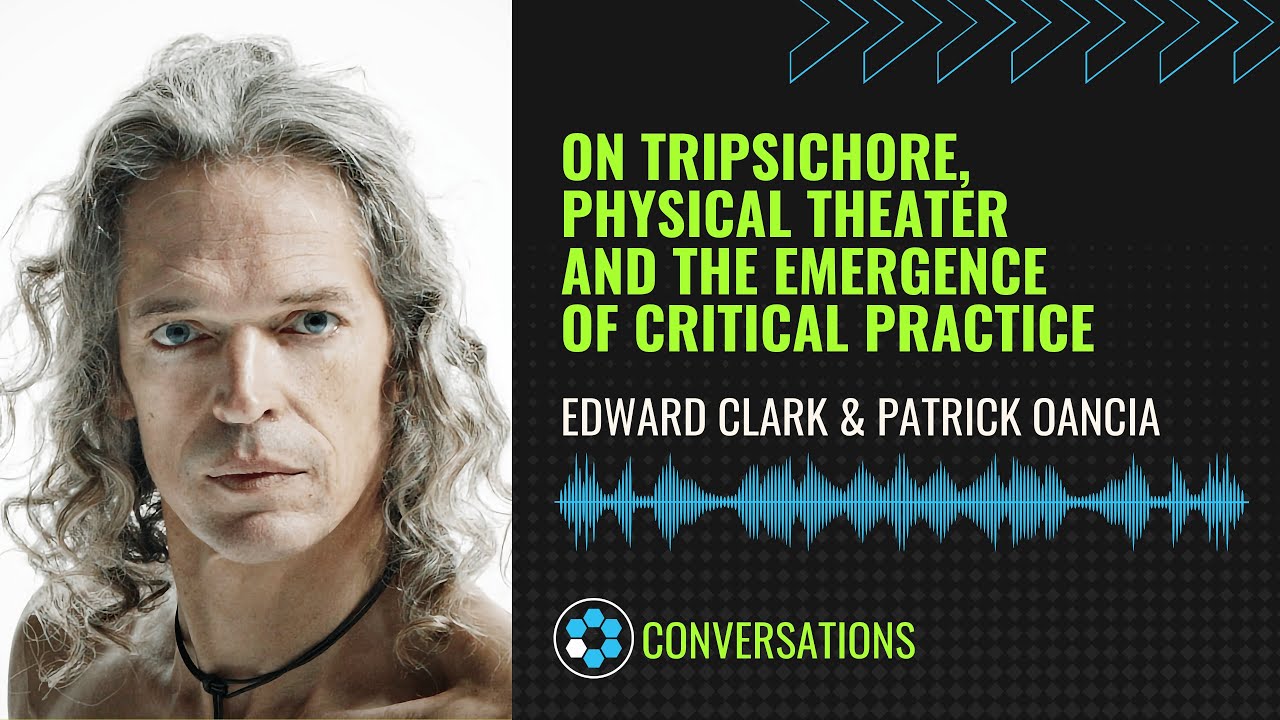
 Apple Podcasts
 Spotify
 Overcast
 Castro
 Amazon Music
 Anchor
 CastBox
 Radio Public
 Breaker
 YouTube
 RSS
RSS Goodpods
 iHeartRadio