
In June 2026, we attended the 8th Annual Body Representation Network Meeting in Padova, Italy, where Ksenia Asia Shcherbakova presented a poster and participated in a career panel for early-career researchers. The conference, themed “The Uncanny Body,” brought together neuroscientists, clinicians, and psychologists working on how the brain represents the body, what happens when that representation breaks down, and how to measure it.
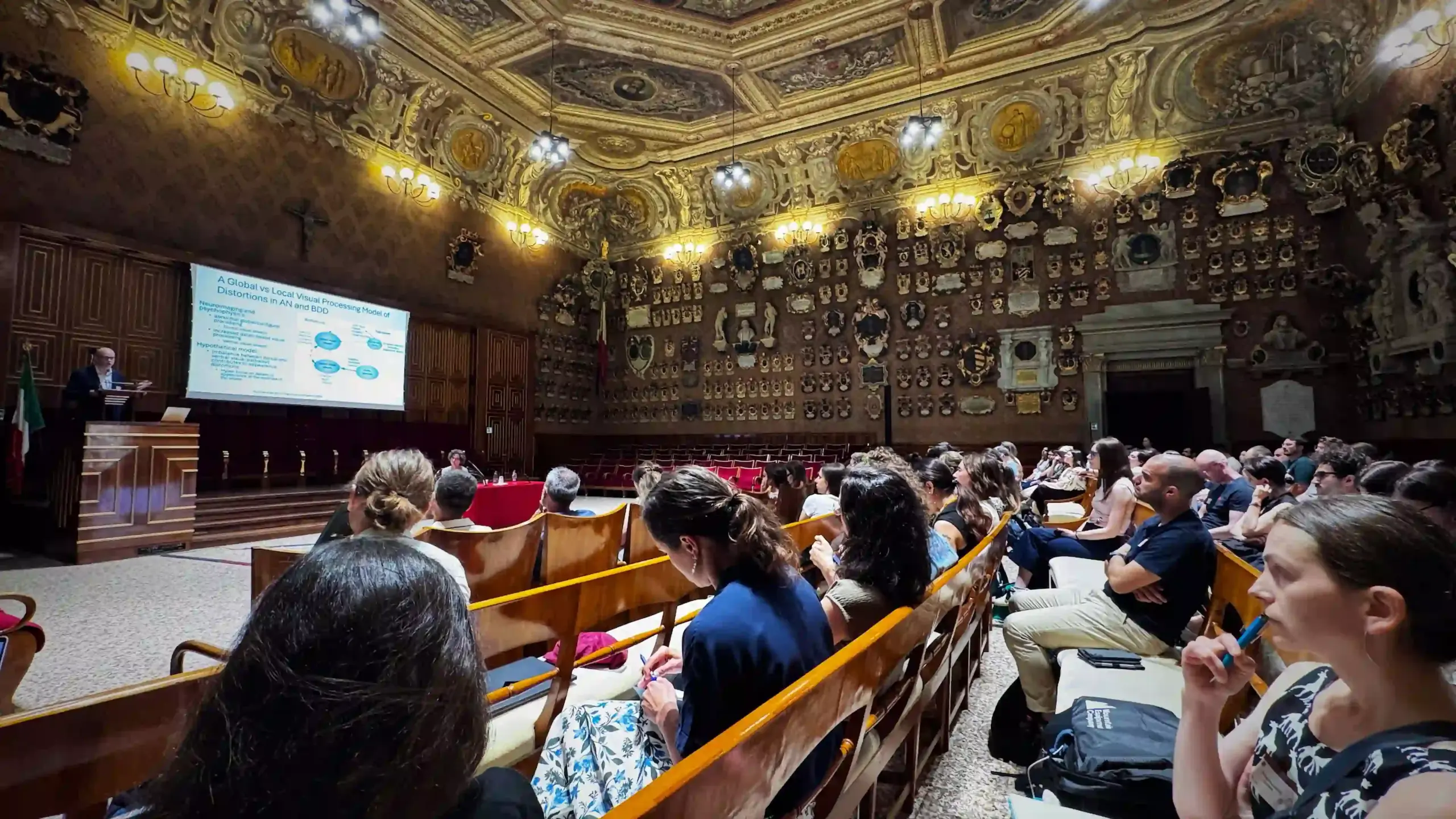
The conference was held in the Palazzo del Bo, the historic main building of the University of Padova (founded in 1222, one of the world’s oldest universities). The Aula Magna where the first day’s sessions took place is the same hall where Galileo Galilei lectured during his eighteen years at Padova (1592–1610), drawing audiences large enough that he was granted special use of the hall. The same complex houses the world’s first permanent anatomical theatre, built in 1594. Throughout the corridors, loggia, and halls of the building are more than 3,000 elaborately carved stone plaques known as stemmi: heraldic emblems commissioned by doctoral graduates across several centuries. The practice grew so dense that in 1709 the Senate of the Republic of Venice formally suspended it: installing new stemmi had begun to require destroying older ones. They remain a near-unbroken visual archive of who earned a degree here, and what that meant to them.
At the end of the first day, the university hosted a guided tour of the building. Among the plaques in the corridor is a simple marble stone that reads: Prima donna laureata nel mondo. The first woman to graduate in the world. Elena Lucrezia Cornaro Piscopia received her doctorate in philosophy from Padova on June 25, 1678. She had been admitted to pursue a degree in theology, but Cardinal Gregorio Barbarigo, the Bishop of Padova, refused on doctrinal grounds: a theology degree was understood as a pathway to priestly teaching authority, a role reserved for men. The degree was redirected to philosophy. The ceremony was held in the Cathedral of Padova rather than at the university: the crowd that assembled (Venetian senators, scholars from across Europe, the general public) was larger than any hall the university could provide. Her name is on the wall among the rest, without further annotation.
There was something appropriate about having this conversation inside a building where the scientific study of the human body has an eight-century record, and where those who advanced it left a mark on the walls.
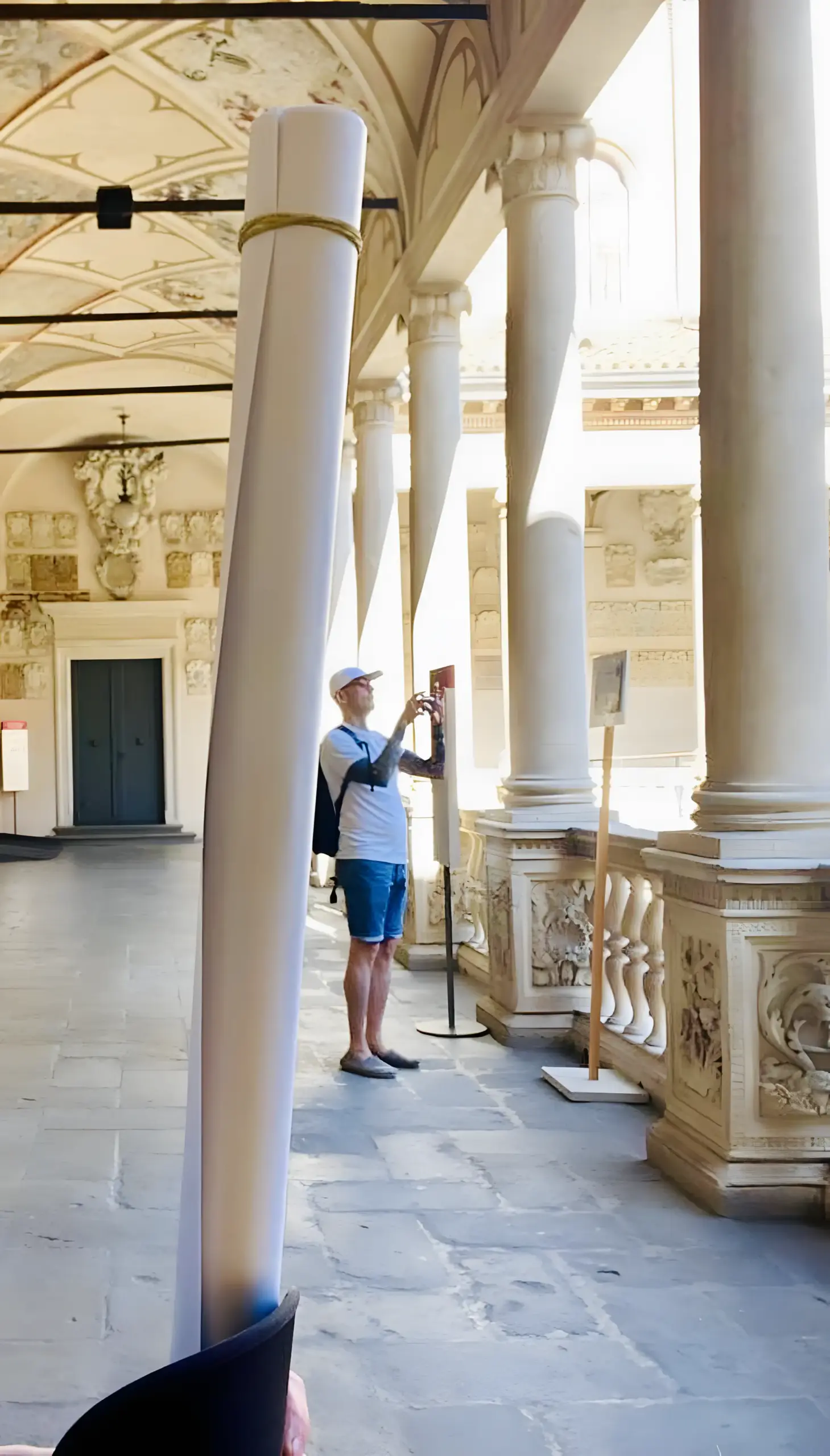
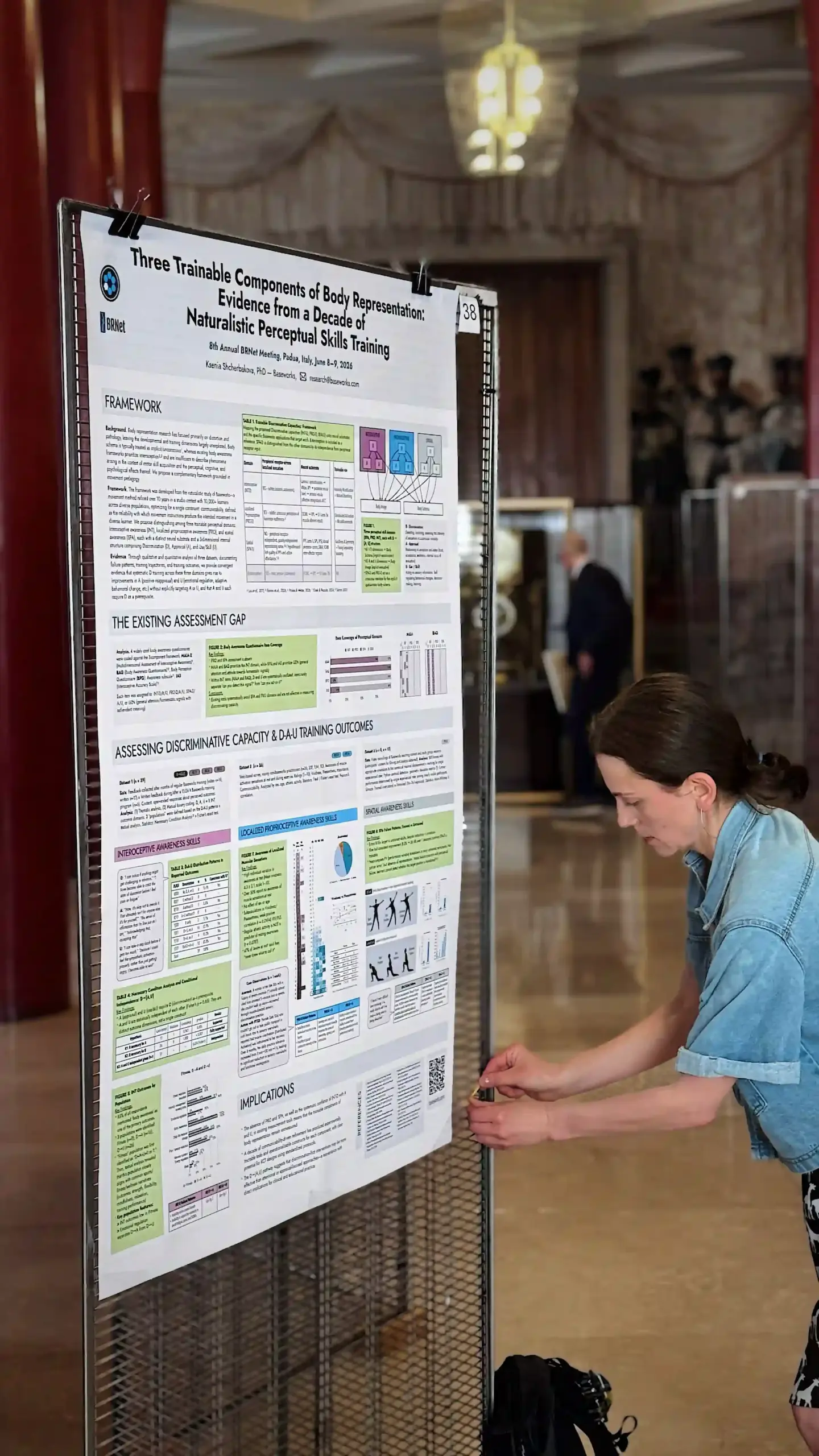

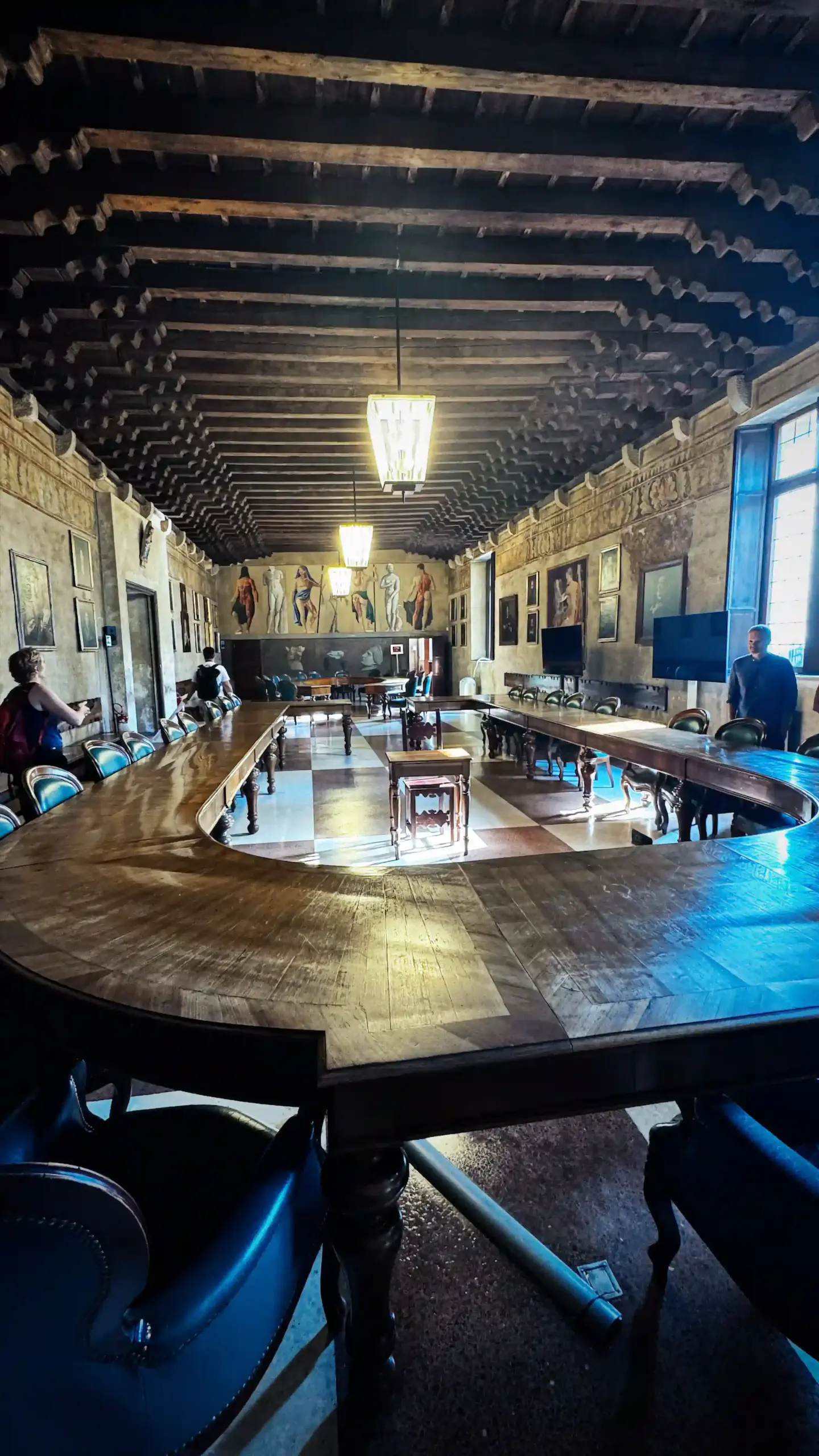
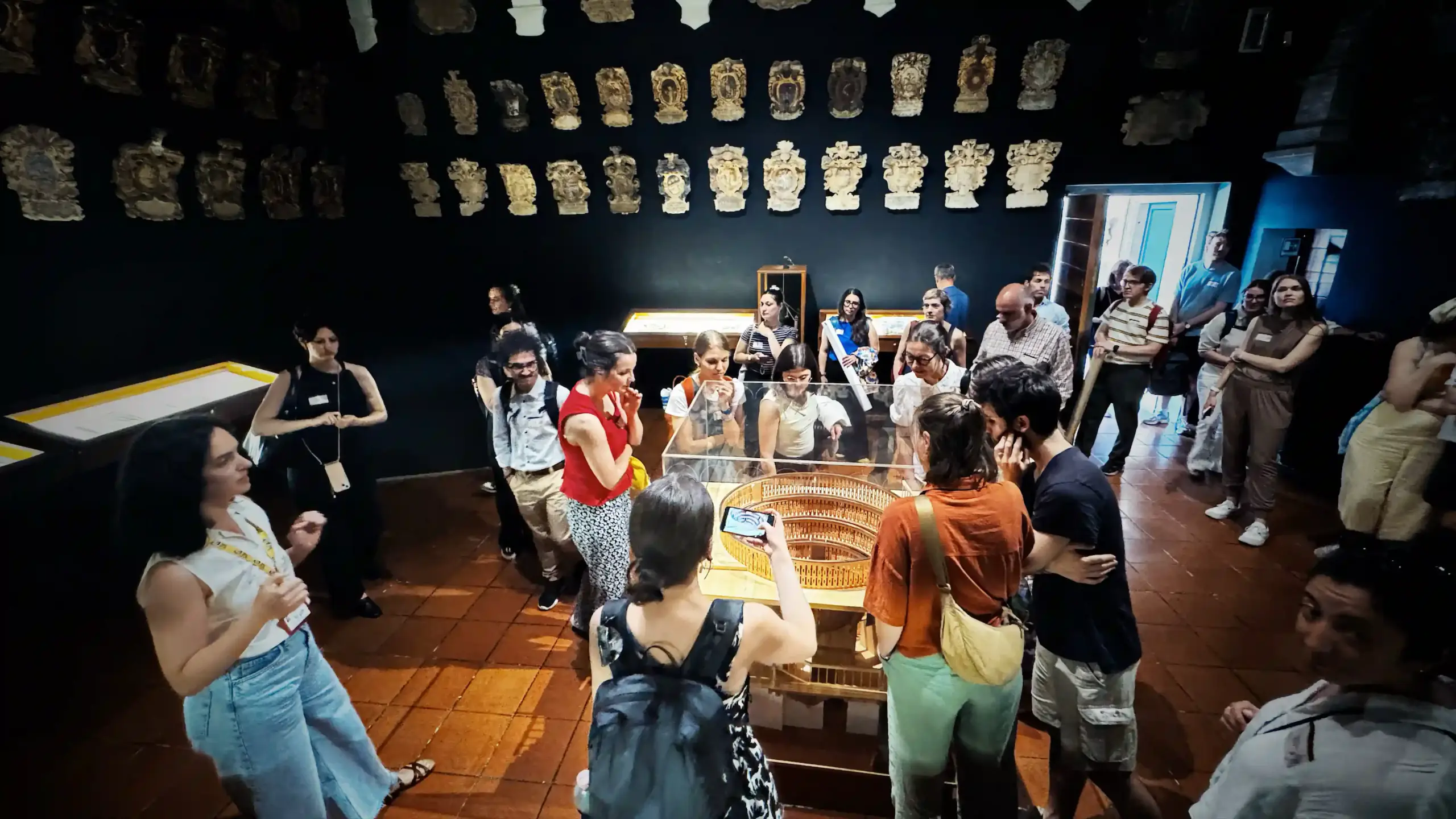


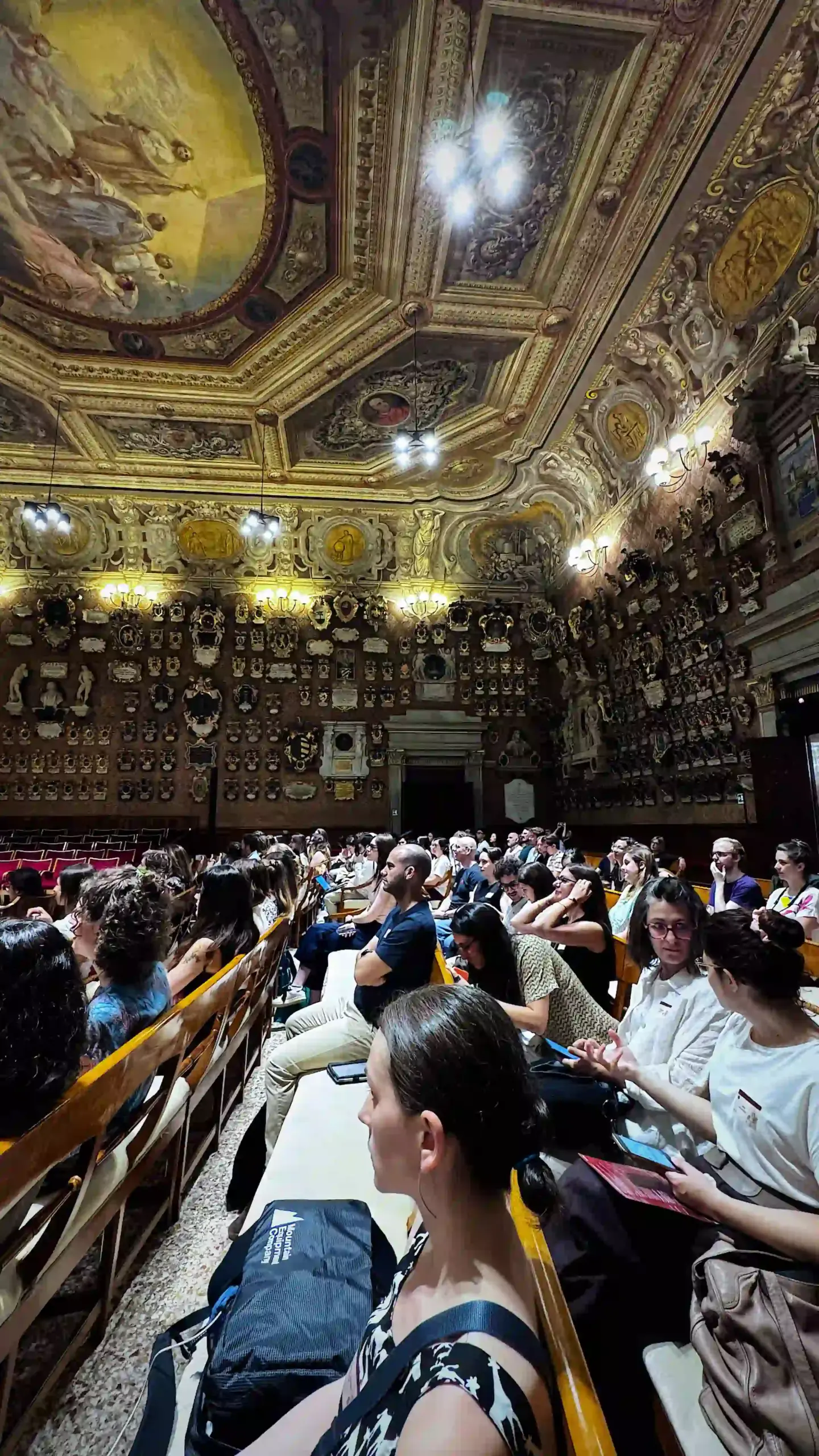



The Palazzo del Bo on Day 1 of BRNet 2026: a view from the loggia, the Baseworks poster in the conference hall, and the inner courtyard of the University of Padova’s main building.
The Baseworks Poster
The poster was titled “Three Trainable Components of Body Representation: Evidence from a Decade of Naturalistic Perceptual Skills Training.”
The core argument: body representation isn’t something normally homogeneous that only breaks down in clinical populations. In healthy populations, certain aspects of it are systematically underdeveloped, in ways that only become visible when training context demands exceed what’s available for representation. The poster proposes a framework of three mechanistically different trainable components of body representation with their unique measurable failure patterns and training strategies. The framework draws on data from approximately ten years of Baseworks training with over 10,000 learners.
The three components
The framework identifies three separable body representation modalities/capacities relevant in the context of physical movement (both training and daily life):
Localized proprioceptive awareness (LPA). The ability to consciously detect spatially specific sensations arising from muscle. This capacity varies widely across individuals, even among people with extensive physical training backgrounds. In our survey of non-practitioners, less than half reported awareness of muscular sensations at rest. Subjective vividness and pleasantness of these sensations also vary greatly.
Spatial awareness (SPA). The capacity to encode, hold, and reproduce the configuration of the body without relying on visual feedback. In one of our analyzed datasets, people with no prior Baseworks training showed errors eight to fifteen times larger than people trained in Baseworks on selected spatial configuration tasks. The selection of the tasks that reproducibly result in failures in a significant number of healthy individuals has been part of the Baseworks development via iterative refinement for communicability. Baseworks almost entirely consists of tasks that look simple but are surprisingly difficult to perform.
Interoceptive awareness (INT). Self-regulatory monitoring of breathing and load during practice. Even though at first glance, this is the most studied of the three in the scientific literature, our approach is quite distinct. The INT failures are the inability to not control breathing and the inability to preemptively adjust the intensity of a movement task to avoid fatigue, pain, and DOMS. According to our observations on thousands of students who have had training experience in other training modalities, many people are unable to use interoceptive sensations as predictors of allostatic load. This ability improves with targeted training.
Each of the three components has an internal structure of 3 dimensions: Discrimination (D, the ability to detect and distinguish patterns in sensory input in a particular modality), Appraisal (A, the attitude towards what you’re sensing: pleasant/unpleasant, beautiful, disturbing, etc.), and Use (U, the ability to integrate that sensory information into skilled movement or regulatory behavior). The analysis of one of our datasets shows that discrimination (D) appears to be a necessary condition for appraisal (A) and skilled use (U): training appraisal without first developing discrimination doesn’t produce discrimination, but developing discrimination does support gains in appraisal and use without explicitly training them.
The assessment gap
In the poster, we also presented our analysis where we mapped our 3×3 dimensions onto the four body awareness questionnaires in wide scientific use: the MAIA-2, the BAQ, the BPQ, and the IAS. Each item in all four tools was coded according to which component it addresses and which level of the D-A-U structure it measures.
The finding: localized proprioceptive awareness (LPA) and spatial awareness (SPA) are absent across all four tools. Existing assessments focus almost entirely on interoception, and within interoception they tend to conflate discrimination and appraisal/use. Not a single item was assessing the discriminative capacity on its own.
This has practical consequences. Researchers designing studies that involve body representation in non-clinical populations, or evaluating movement-based training interventions, are working without instruments for two of the three components our framework identifies, and with instruments that are insufficient to assess the interoceptive domain at the grain of our framework. Notably, in our context, the assessment tools are movement tasks rather than text-based questionnaires, although we also use questionnaires and open-ended responses to collect phenomenological accounts for broader analysis.
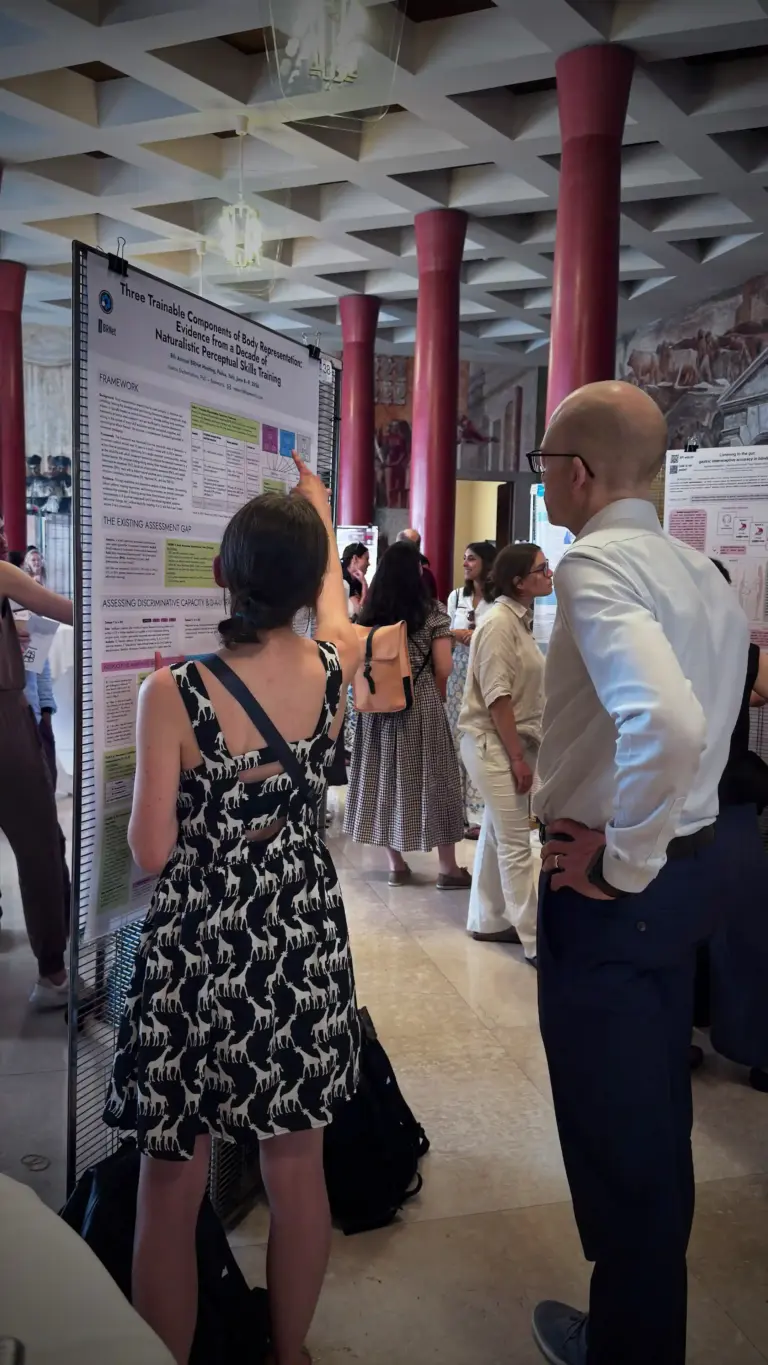
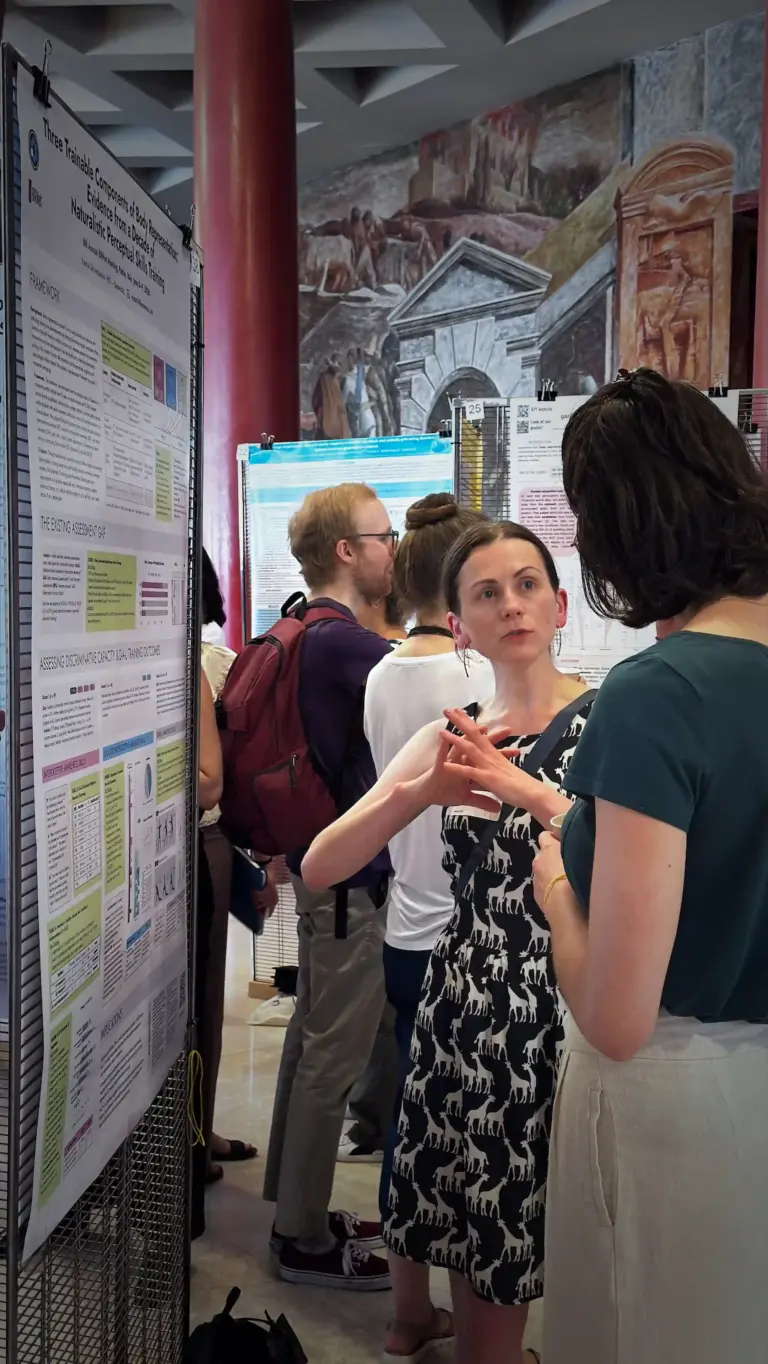
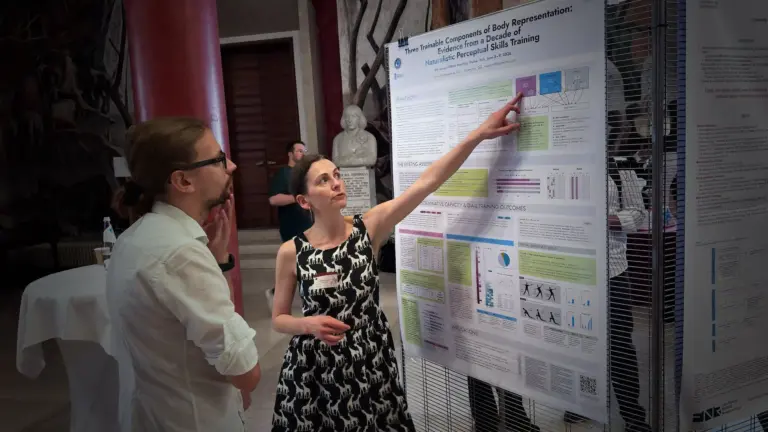
Conversations at Baseworks poster
The Field at BRNet
The field of Body Representation research is closely adjacent to our research and pedagogical applications. For example, any BR researcher would attest to the phenomenon of visual dominance: how much visual input supplements and often overpowers proprioceptive information, which is one of the problems we have to deal with in the classroom. Therefore, it was extremely interesting to get to look at the field from the inside and gain a new perspective on what we do in Baseworks.
The Body Representation Network is primarily a clinical and neuroscience research community. Of roughly 20 presentations, 67 posters, and 3 keynote presentations across two days, almost all addressed body representation distortion in psychiatric or neurological conditions. The program organized into five main areas:
- Eating disorders and body image distortion, including anorexia nervosa and body dysmorphic disorder
- Interoceptive alterations in schizophrenia spectrum conditions and autism
- Body ownership and peripersonal space, studied through illusion paradigms including virtual reality and the rubber hand illusion
- Proprioception and motor integration in neurological recovery (stroke, spinal cord injury, cerebral palsy)
- Computational and predictive processing models of how the brain updates its body representation
Three keynote presentations on the program were: Jamie Feusner (University of Toronto) on computational and neural models of body image distortion in psychiatric disorders, Michela Bassolino (HES-SO Valais-Wallis) on tools and methods for assessing body representation in neurological conditions, and Olaf Blanke (EPFL) on the neuropsychiatry of “invisible presences” (the clinical phenomenon in which people sense a body near them that isn’t there), studied from body schema and self-other distinction angles.
Asia’s poster was the only contribution working from a movement pedagogy angle. The Baseworks dataset is naturalistic: it comes from observing the performance and evolution of movement method over a decade, organized around a single operational constraint (whether movement instructions reliably produce the intended movement across diverse learners). Conversations around the poster were primarily gravitating to the understudied localized proprioceptive awareness, the unexpected pattern of failure in seemingly simple movements by otherwise healthy adults, and Baseworks’ positioning in relation to mindfulness.
Across the entire conference program, body representation research is still predominantly organized around distortion and damage: what breaks, what goes wrong, what looks different in clinical populations, which is how the field has been shaped historically. The research tradition studying what body representation looks like as it develops, refines, and becomes more precise through sustained practice in healthy populations is, at present, quite sparse. However, a handful of posters reported studies of body representation in healthy, non-clinical populations.
- Lustenhouwer (Poster 6) developed a Tactile Imagery Ability Assessment Tool with 140 healthy participants, documenting substantial individual variability in the capacity to vividly imagine different types of touch, which echoes our results in localized proprioceptive awareness.
- Cagliero et al. (Poster 27) provided the first quantitative evidence that newborns direct the majority of spontaneous movement toward their own bodies, suggesting self-directed action is foundational to early body self-representation.
- Khoury et al. (Poster 50) tracked tactile localization along the arm in healthy adults, finding that individual differences in bias direction and magnitude are largely explained by idiosyncratic sensorimotor histories, which is congruent with the individual variability within the sensory modalities we work with.
- Italia et al. (Poster 29) showed that self-touch increases fronto-parietal alpha power in healthy adults, consistent with a neural shift from exteroceptive toward self-referential processing. It would be interesting to test whether enhanced localized proprioceptive awareness would result in a similar shift, as it would increase bodily sensations even without self stimulation.
The field also is more fragmented than it appears, organized around diverse methodological traditions and domain-specific vocabularies. Joanna Mourad (University of Namur), preparing her 2026 systematic review of body representation research in autism (Autism Research, Wiley), found that searching “autism” AND “body representations” yields almost nothing, but expanding the search to domain-specific keywords reveals hundreds of relevant studies (narrowed down to 54 in the review). The body schema/body image distinction typically framed as unconscious vs. conscious is another source of tension. For Baseworks, which works specifically with the conscious aspects of body representation (many of which do not fall under body image), this is not an abstract methodological debate. It plays a role in whether our domain of work is even visible within the existing research landscape.
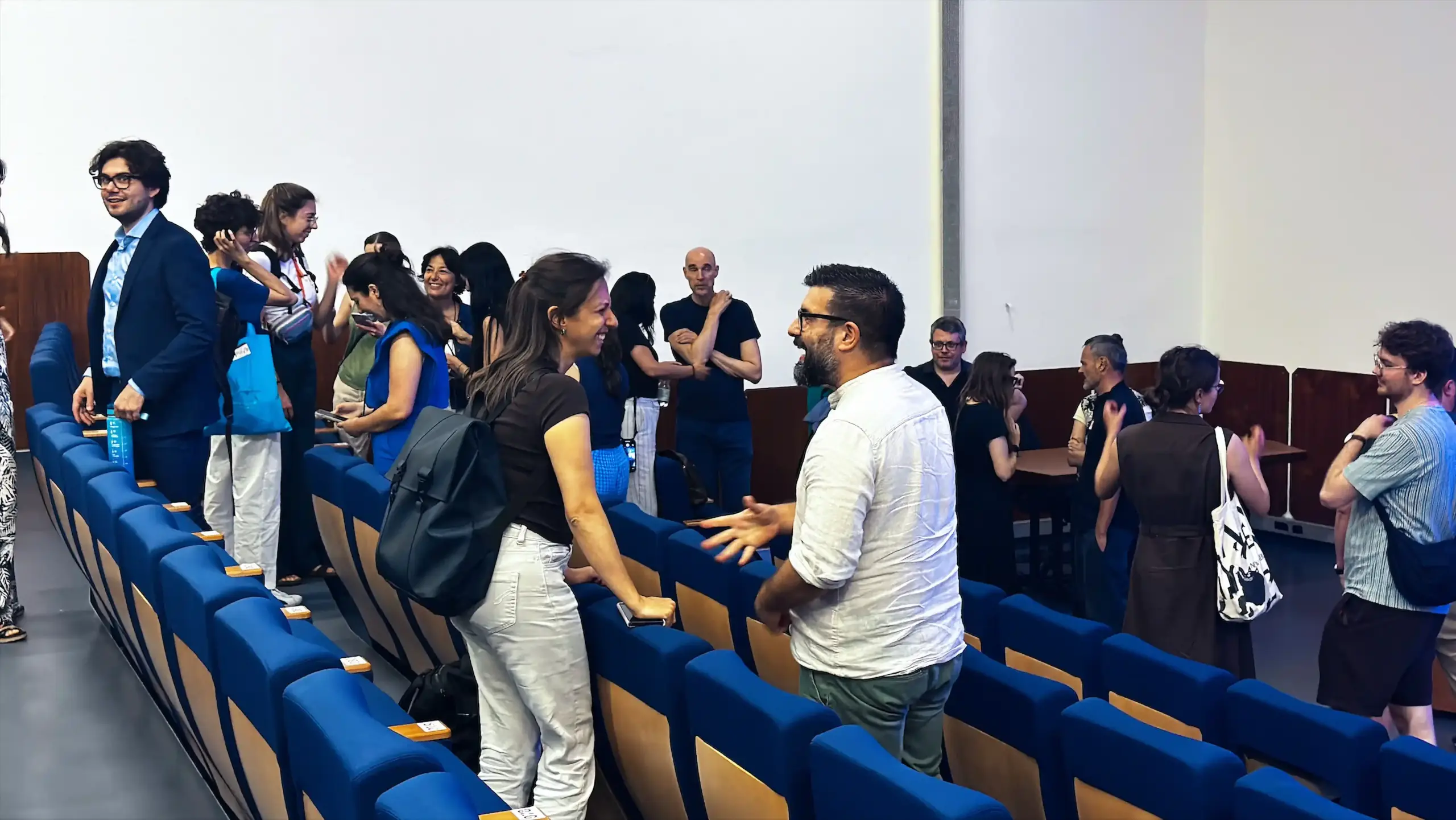
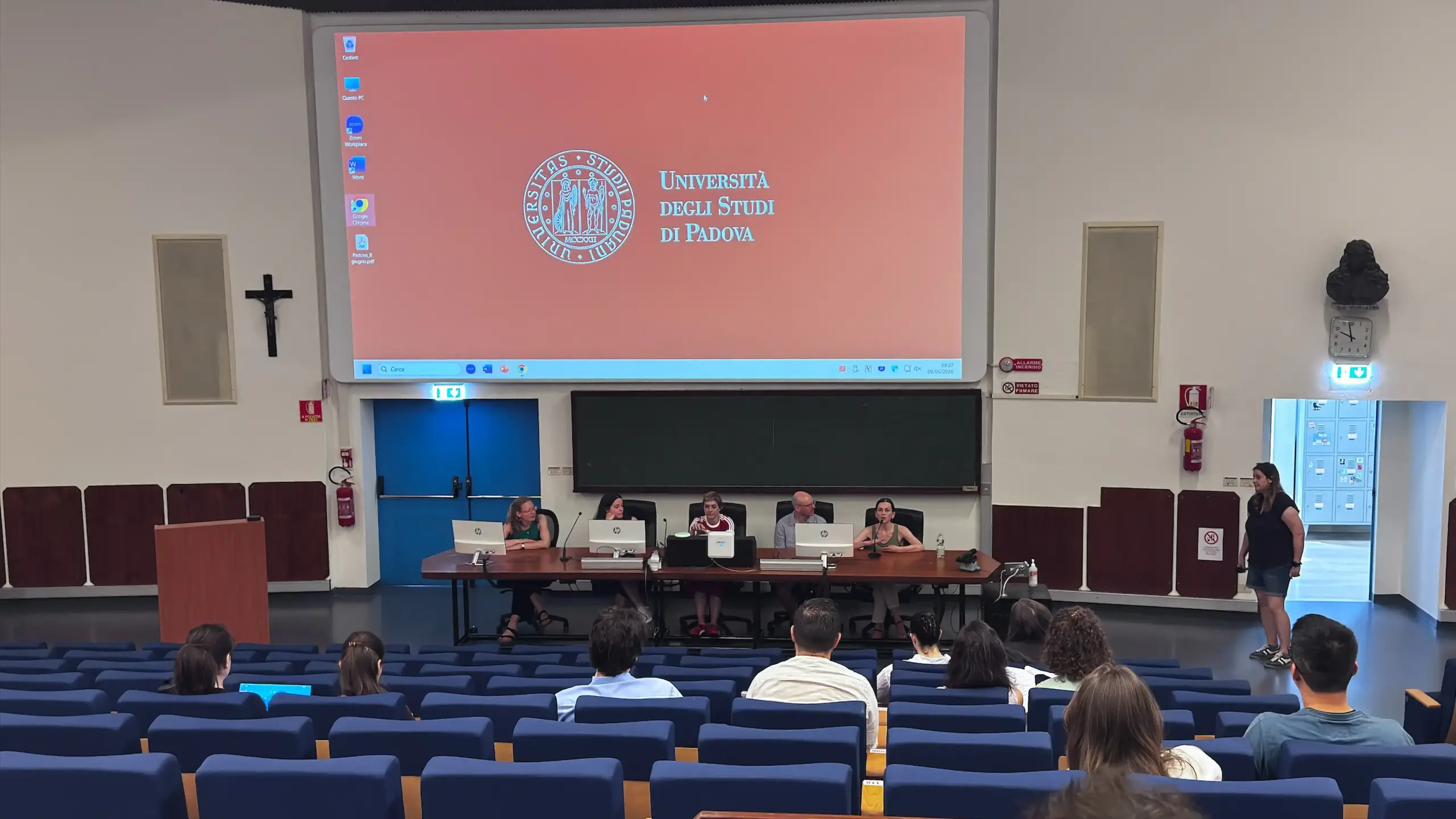
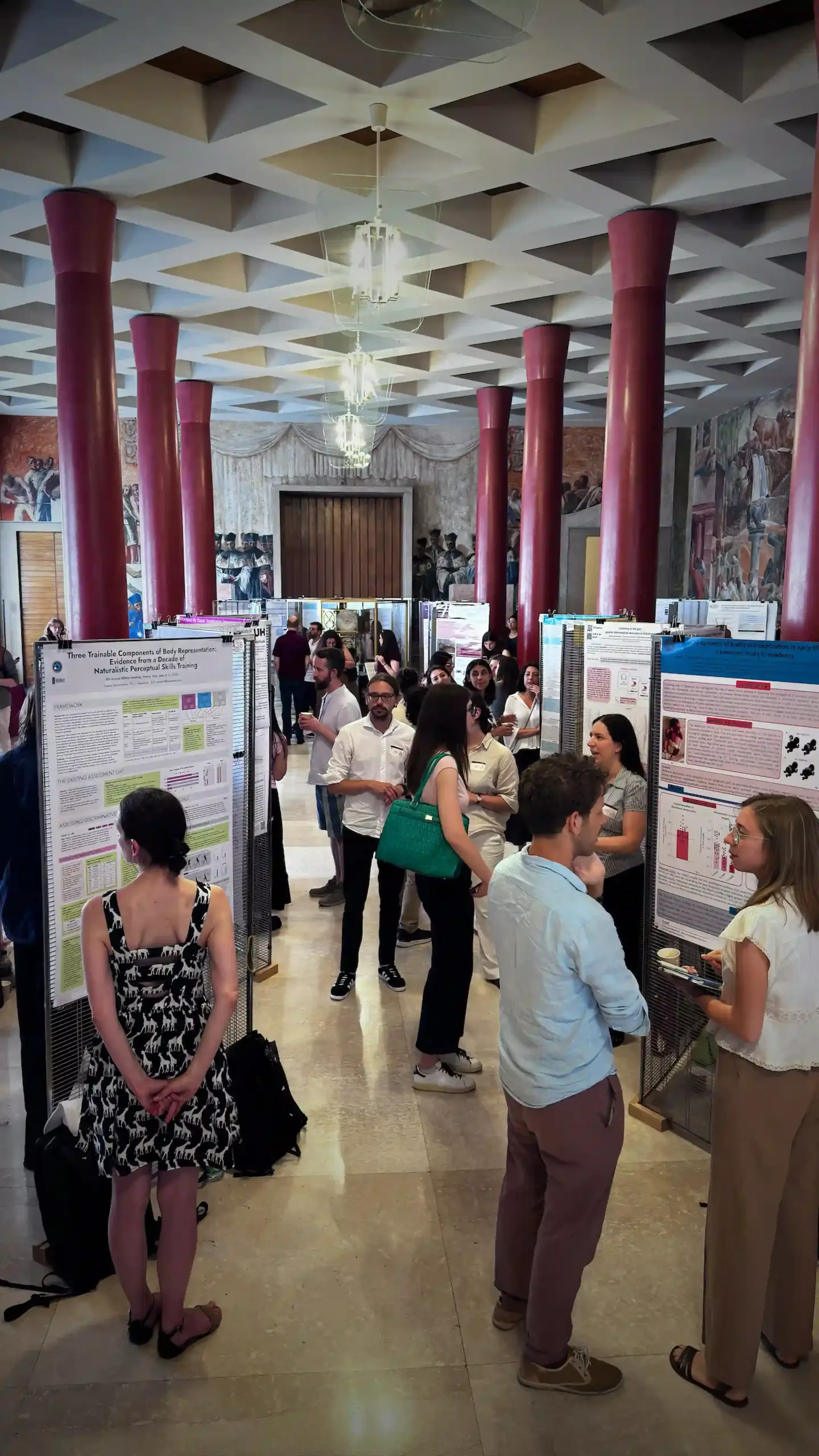
Poster hall (Day 1); general atmosphere during a break at Day 2, and panel discussion (Day 2).
Research Worth Noting
Here is a brief overview of a few presentations which were especially insightful in relation to what we do in Baseworks.
Valeria C. Peviani (University Medical Center Hamburg-Eppendorf), the recipient of the ECR Award, gave a talk on her work that reframes a classic finding in body representation research: a bias toward perceiving fingers as shorter than they are. Her Current Biology paper argues that this bias isn’t evidence of a distorted hand model, but an artifact of how the sensorimotor computation works.
→ This sensorimotor framing, where apparent perceptual error reflects computational mechanics rather than representational deficit per se, is close in spirit to how Baseworks approaches apparent failures in movement execution. As we observe, motor failures in our practice are closely linked with representation failures, and training specific motor skills is what corrects the perceptual deficits.
Olaf Blanke (EPFL) presented fascinating work on invisible presences, including the robotically-induced presence hallucinations created through precise timing of tactile cues where people experience touching their own back or feeling a presence outside their body. A single point of contact at the right moment is sufficient to generate the subjective experience of a complete body. The implication is that the brain simply must integrate available signals into a coherent self. It cannot do otherwise.
→ For Baseworks this illuminates something we observe from the other direction: neurologically healthy people experience their bodies as fully coherent because coherence is what body representation is supposed to produce under normal load. The functional incoherence that surfaces in practice only becomes visible when movement demands push beyond what the system is currently capable of handling. The reaction we often observe, “I can’t believe my body can’t do it! it looks so simple!” echoes the experience of “I can’t believe I feel this hand as my own, even though I know it’s just a piece of rubber!”
Cowie and colleagues (“The role of functionality in embodiment: a virtual reaching study”) demonstrated rapid body schema adaptation when users controlled a VR arm with dramatically extended reach, including adults and children.
→ What’s interesting here is the contrast with Baseworks. The plasticity we work with operates on a much longer timescale, with students failing the same proprioceptive or spatial task across sessions and weeks. The common narrative is that the body schema is able to adapt very quickly, often in seconds or minutes. By this definition, what we work with is not body schema (and not body image). But it is definitely a representation problem. We are working with representation that requires a different kind of learning, while most current BR research is measuring most current BR research is measuring rapid phenomena—illusions, or schema reconfiguration that occurs in seconds or minutes.
Michela Bassolino (HES-SO Valais-Wallis) presented data on body ownership alterations in stroke, including the language patients used to describe their own post-stroke limbs: “I need to focus,” “it moves out of my control,” “strange,” “clumsy.”
→ These words are familiar to us: we hear them from some Baseworks students talking about their experiences in class or daily life. So the difference is magnitude, not kind. Bassolino’s findings link the ownership alterations in stroke to reduced proprioceptive precision and fronto-parietal network damage, the same networks we hypothesize as the substrate of discriminative training. The picture that emerges is a continuum from undertrained to disrupted by acute neurological event.
Anna L. Vlad (University of Verona) presented data from body dysmorphic disorder showing a dissociation: rubber hand embodiment is preserved, but less anchored in proprioceptive input and biomechanical constraints than in healthy controls. Multisensory integration is intact, but its proprioceptive tethering is loosened.
→ This connects to a broader gap we observe: most body-centered therapies typically target interoceptive appraisal, while disruptions in the proprioceptive and spatial domains of body schema go largely unaddressed, which is something we hear from people navigating various body disorders, including trauma-related dissociation.
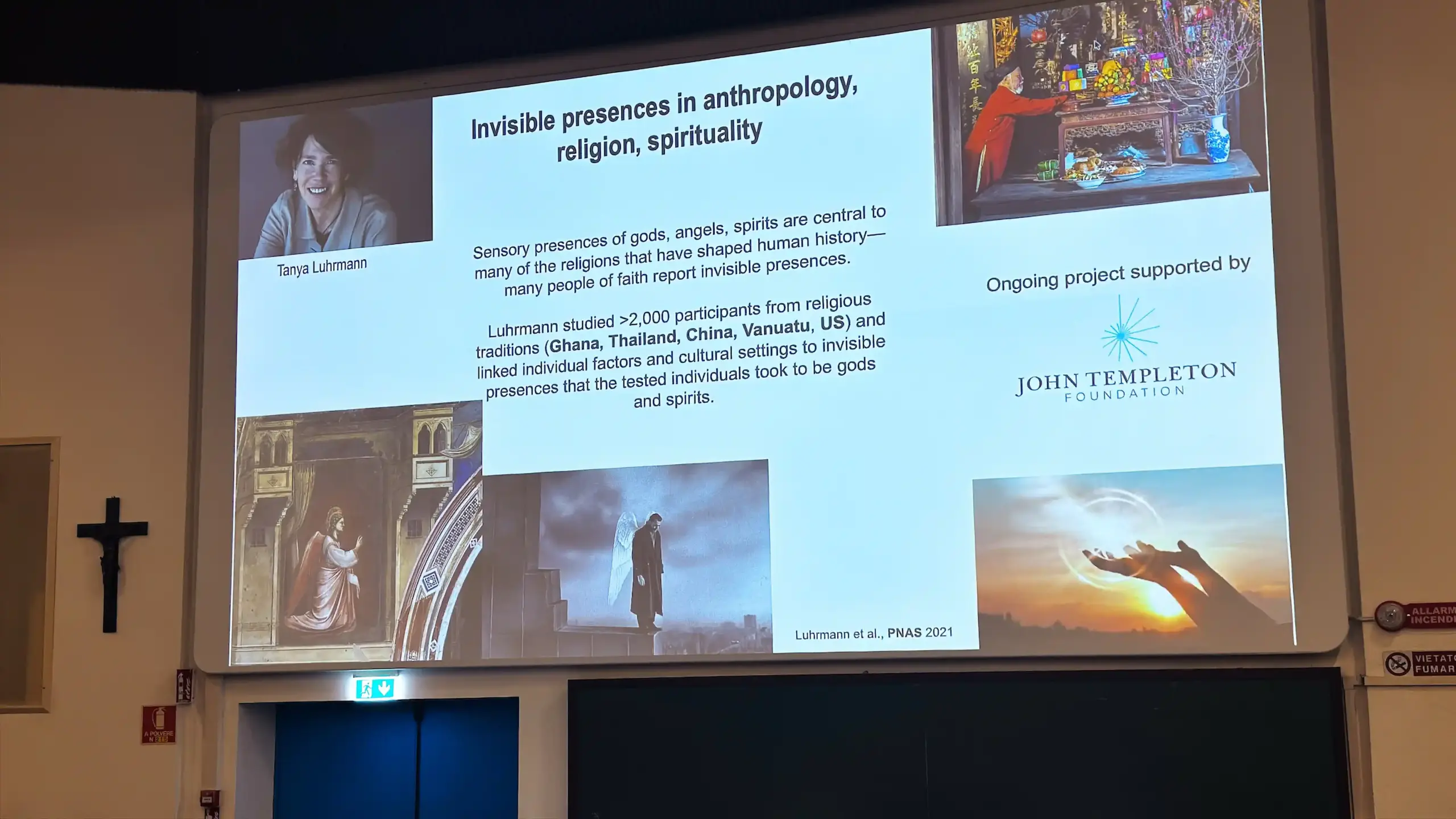
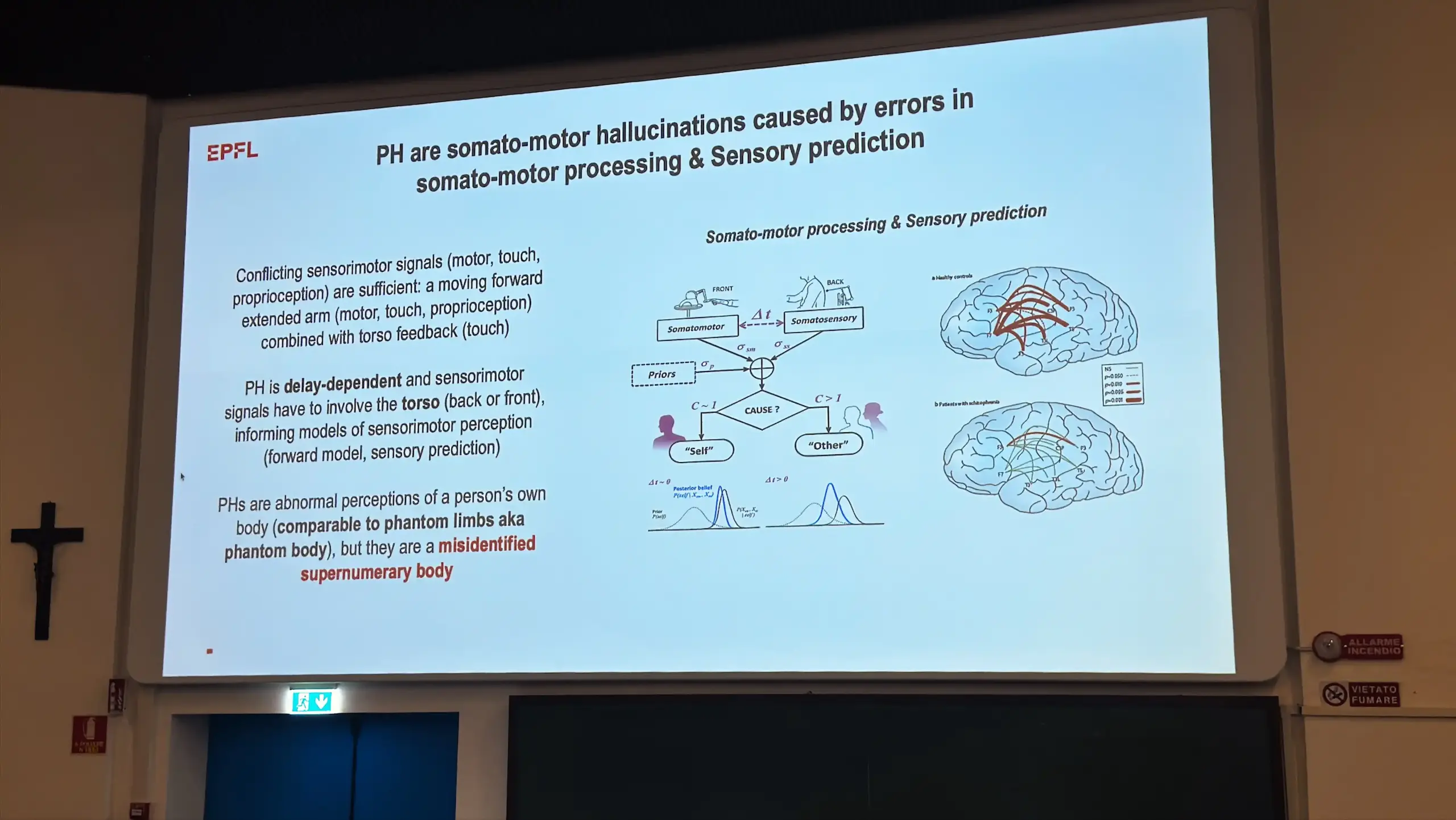
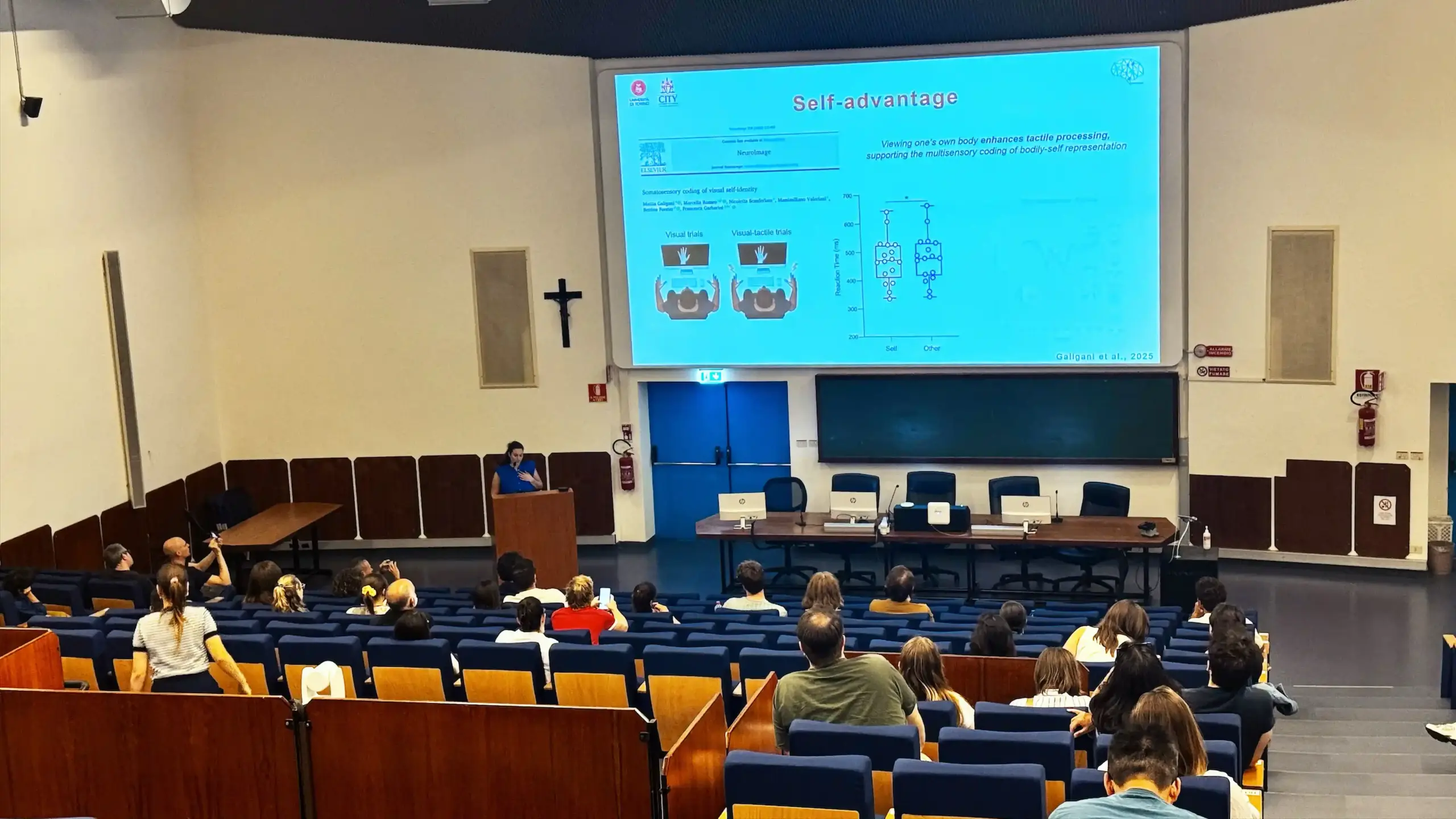
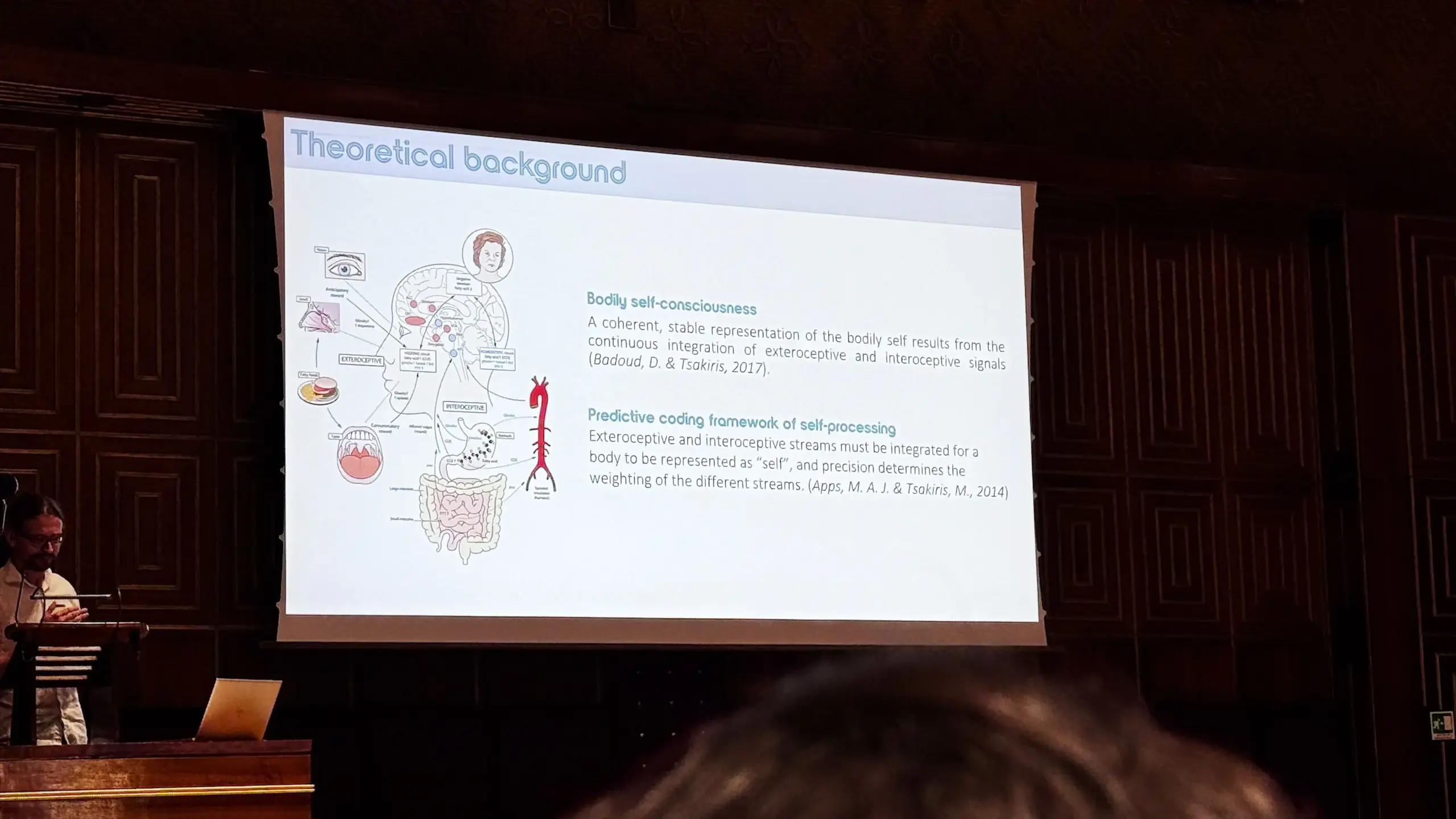
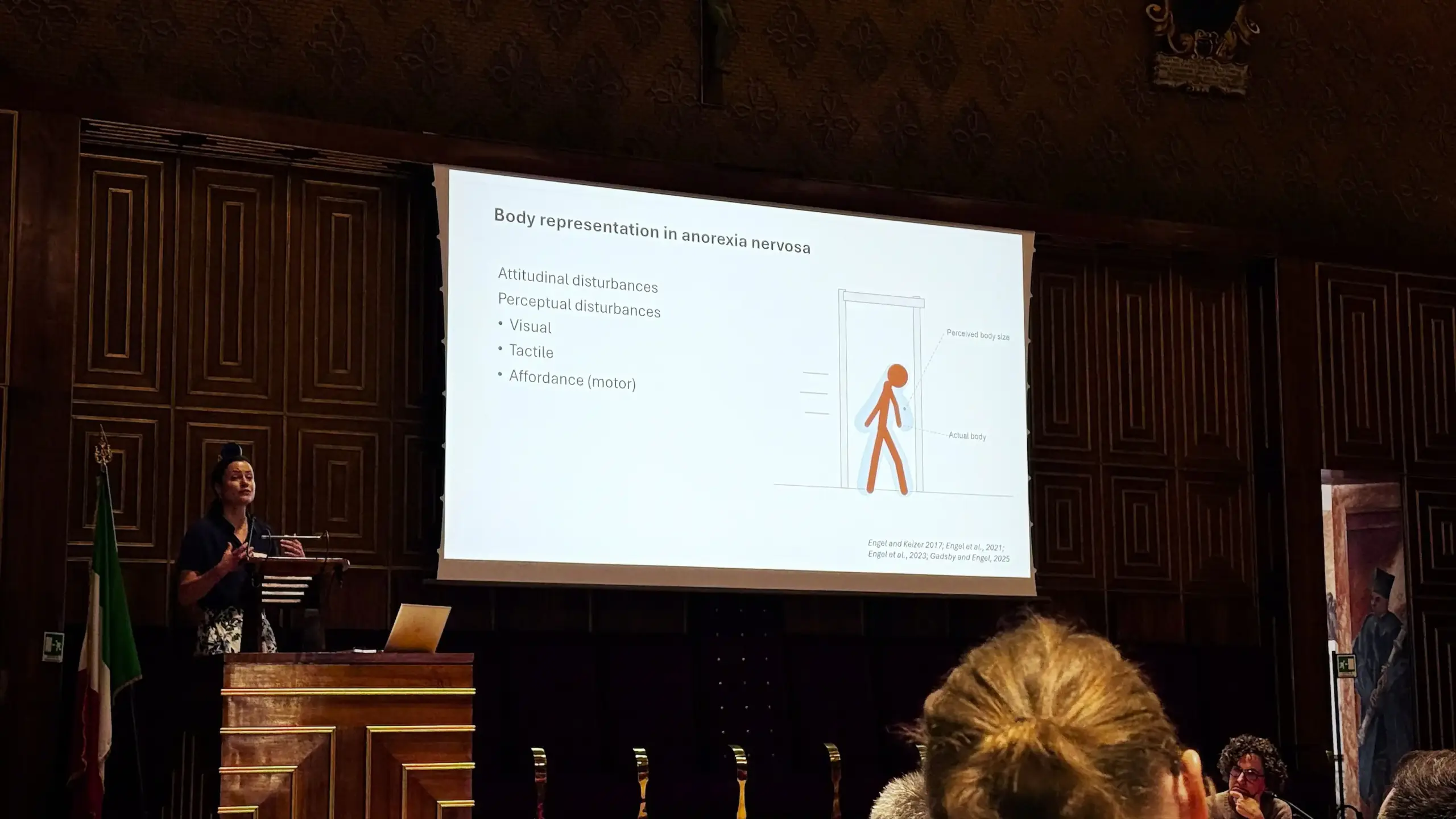
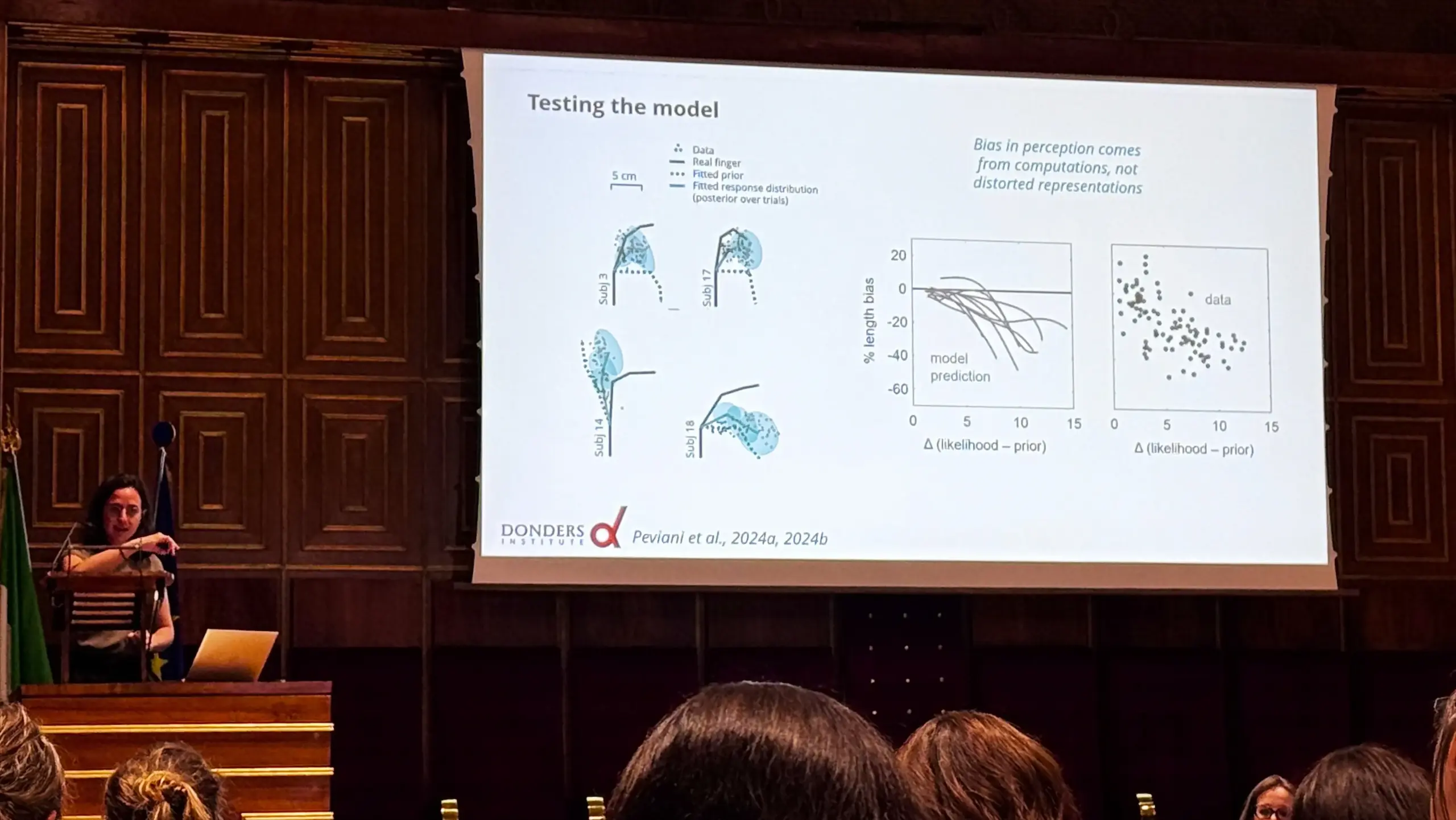
Presentations (left-to-right): 1, 2) Olaf Blanke on neuropsychiatry of invisible presences; 3) Francesca Genovese on the impact of early motor experience on somatosensory coding of visual self-identity; 4) Gabriele Vercelli on interoceptive conditioning in anorexia nervosa; 5) Manja Engel on impaired feedback-based updating as the basis for body image disturbances; 6) Valeria Peviani on the sensorimotor computations behind body representation.
The ECR Panel
On the second day, Asia participated in the early-career researcher panel, “Career Options and Equality, Diversity and Inclusivity Considerations in Research,” which brought together scientists with careers both inside and outside academia. The panel opened with a talk by Ruth Knight (York St. John University) on EDI considerations in research, which mentioned that the global scientific community, in its current form, is “not scooping up all experiences,” a point that we often discuss across many Baseworks initiatives.
Asia introduced herself as belonging to a category she called the “residential scientist”: a researcher embedded inside a non-academic context, whose job is to study that context systematically from within. Many experiences remain understudied not because someone looked and found them uninteresting, but because there’s no one with both the right vantage point and access to data to study them. Lab-based research can ask rigorous questions, but it first has to know what to ask.
“Rather than taking an existing framework and following it and adding more data to it, you have to build a new framework from scratch. Which is very interesting but challenging, because this category of research falls through the cracks of existing support structures.”
This connects directly to our poster. The assessment gap in body awareness research probably isn’t accidental. It reflects who has been building the tools and from where. Closing it requires spending time inside the context to know what needs measuring, which existing instruments miss, and what questions haven’t been formulated yet.
In response to the “we are not scooping up all experiences” problem, one of the questions from the audience asked: so, what do researchers need to consider when selecting participants for their studies? The answer focused on collecting the demographic information and trying to aim beyond the WEIRD (Western, Educated, Industrialized, Rich, and Democratic) populations. We would like to extend this by proposing considering different developmental and training backgrounds. We see every day how training changes body representation, and larger differences and similarities may depend more on specific experiences than demographic markers.

ECR panel on Day 2 and the Giustinianeo Hospital courtyard.
Reflections on Body Representation Research
We are grateful to all organizers and all the participants. Stepping inside an adjacent field with its own concerns, frameworks, and methodologies is an invaluable source for discovering new perspectives.
One thing that stood out to us, in retrospect, was that in the conversations around our poster, the D→{A, U} structure, which had emerged from our analysis somewhat unexpectedly even to us, drew almost no questions. And it was supposed to be the central claim we came to defend and discuss. What drew questions was the failure data: the failure rates in healthy adults, the assessment gap, the localized proprioceptive awareness findings (over 50% lacking it at rest).
BRNet felt like the closest existing academic community to what we do, yet most of its paradigms study what happens when proprioceptive input is overridden by visual information. It has its own questions, shaped by its own clinical urgency. We leave with a clearer sense of our own position and a real interest in finding the research community, wherever it is, that is working on body representation in healthy, trained populations for its own sake.



 Apple Podcasts
 Spotify
 Overcast
 Castro
 Amazon Music
 CastBox
 YouTube
 RSS
RSS Goodpods
 iHeartRadio